One of the things I hear often is: “I have arthritis, and my doctor says there isn’t much to do since I’m just getting older.” I’m here to tell you that while we might not be able to “fix” the cartilage, we can do a lot to get your life back.
I’m an Occupational Therapist and Hand Specialist, and my focus is specifically on how to help you use your hands to live your life.
What’s Actually Happening? (The Science Behind Osteoarthritis)
It helps to break the word down: Osteo means bone, Arthr means joint, and Itis means inflammation.
So in short, bone joint inflammation.
Think of your joints as having a little protective cushion called cartilage. This cushion is what lets your bones move smoothly and pain-free. Over time, that cartilage naturally loses its water content and becomes less elastic. When it thins out, you’ve got bones rubbing against each other.
How do you know it’s happening?
- Morning Pain: Feeling extra stiff right when you wake up.
- The “Noises”: Clicking or a grinding sensation when you move your fingers or wrists.
- Your Grip: Finding it suddenly hard to pinch, grip, or lift things.
- Feeling Fatigue: A dull ache or sharp pain after a long day of using your hands.
One thing people don’t realize is that cartilage doesn’t have blood vessels. Because there’s no blood flow, it can’t really “heal” itself. But that doesn’t mean you’re stuck in pain, and the work we do can get you back to the activities, or day to day activities, you love.
It’s Not Just Aging
I want to bust a big myth here: Arthritis isn’t just a side effect of getting older. If it were just age, everyone would have it exactly the same way. Not all arthritis presents the same, it actually comes down to a several factors:
Factor |
Why it Matters |
|---|---|
| Repetitive Use | Doing the same motions over and over wears the joint down faster. |
| Old Injuries | A fracture or even a bad sprain can change the “alignment” of your joint, causing more stress on the joint. |
| Joint Load | Things like obesity put extra strain on the joints (especially in the lower body). |
| Systemic Health | Believe it or not, things like hydration, sleep, and diet affect joint inflammation! |
How We Get You Relief
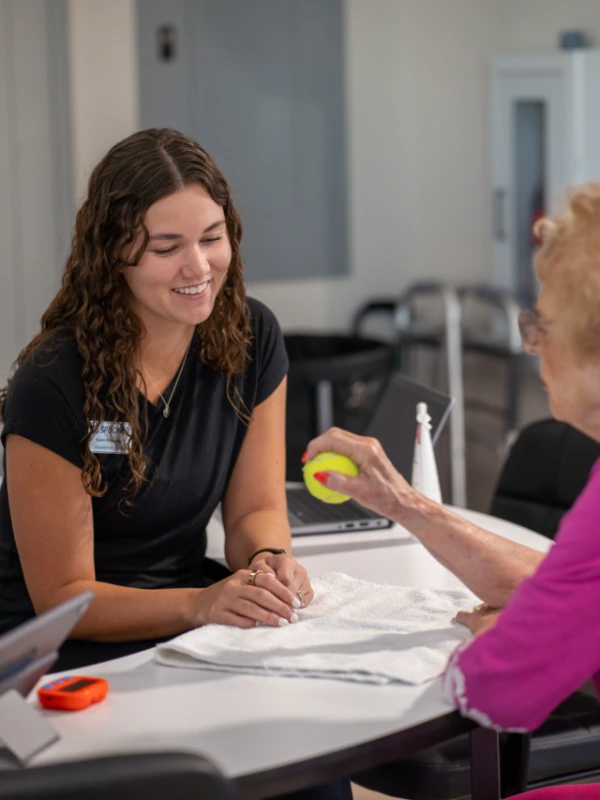
When things hurt, most people just stop moving. That actually makes it worse. When you stop moving, your muscles get weak, and those weak muscles put even more strain on your painful joints. When our muscles are weak, they aren’t doing their job, which is to support our joints and movements.
In our sessions, we focus on a few “fan favorites”:
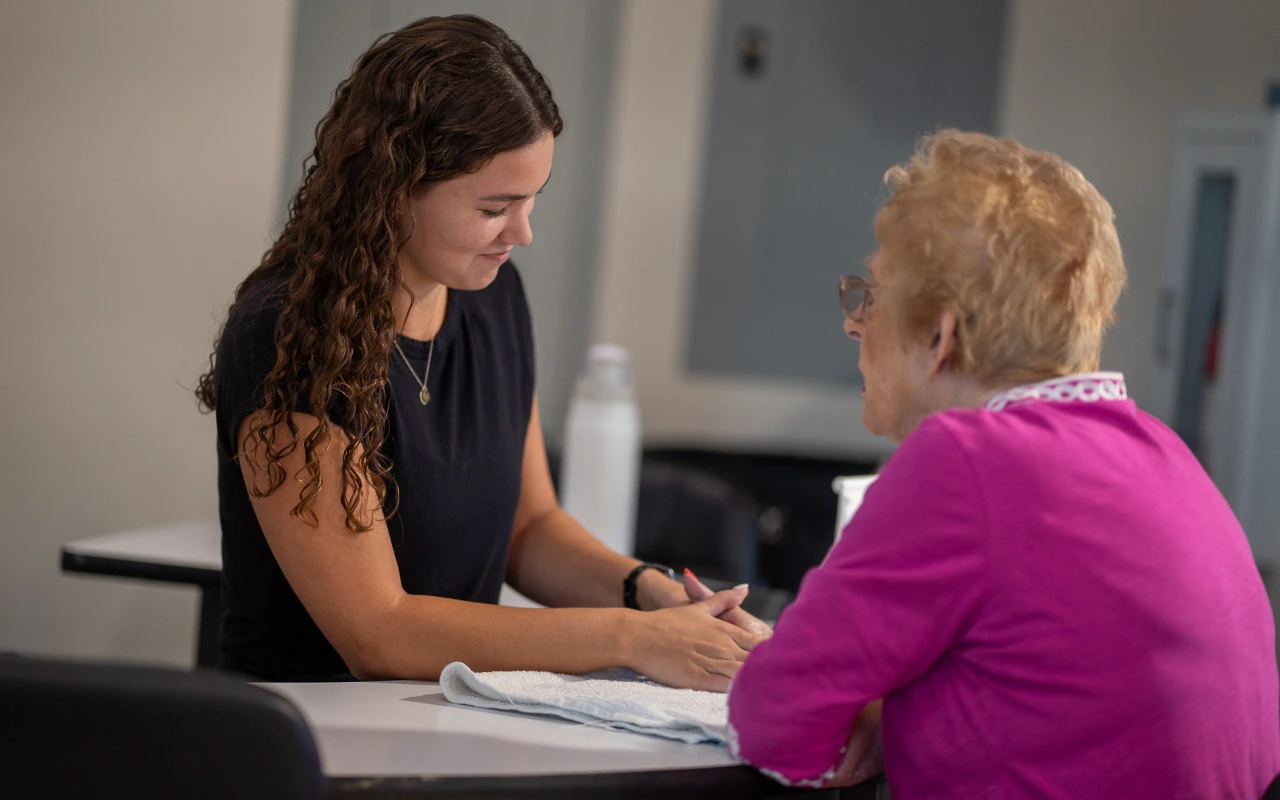
- The Wax Glove: We often start with a form of moist heat or often the paraffin bath. It’s a warm, liquid wax that deep-heats the tissues and joints. It gets the tissues flexible and “elastic” before we start moving.
- Soft Tissue “Massage”: We utilize soft tissue mobilization. It’s a massage that can help with swelling if present, and preps the tissues for therapy.
- Custom Splinting: We do custom splinting. We make splints that support the joint while you use your hand, and nighttime splints for what I call “forced healing or resting time.”
Strength Training Your Hands Matters!
People are often surprised that we do strengthening for arthritis, but it is so important! When those joints get painful, we tend to stop using them, and those muscles get weak. We need to strengthen the muscles around the joint to take the stress off of it.
- Mobility & Stretching: We do a lot of mobility work to keep your muscles and tissues stretched out.
- Basic Movement: Sometimes we start with basic movements without any sort of weight or resistance just to get the tissues ready to start moving.
- Weighted or Resistance Work: Not only do sports, recreation and hobbies require strength but your daily life activities do too! We use tools like weights, resistance bands, weighted balls, and other equipment to build up the strength you need to change the laundry, shoot a basket or lift a heavy pan and other important daily life tasks.
- Adapting How You Move: This is a big one I talk to people about all the time. Learning how your body wants to move and safe joint positioning is really important. One specific example I teach is “the thumb trick”. When you pinch, don’t let your thumb go flat or “hyper-extend.” The thumb actually likes to be a little bent. Keeping that small curve is a “joint protection strategy” that helps so much with daily tasks. So, learning how to adjust in your day to day makes a big difference.
Getting Back to What You Love
The occupational therapist in me cares most about your hobbies and daily life tasks. Whether it’s knitting, sewing, cooking, household tasks or new sports like pickleball. I have a patient right now who loves basketball. For a while, the arthritis in his wrist meant he could only dribble. But by strengthening the muscles around the joint and doing exercises relevant to the activity such as throwing a weighted ball in therapy, he’s finally back to shooting hoops. That’s what I want for my patients, to know that arthritis isn’t just something you have to figure out on your own and live in pain.
There are lots of ways occupational therapists and hand therapists can help, and I love seeing my patients learn this.
Ready to get back to what you love? Whether it’s pickleball or just holding your grandkids’ hands, a Spooner hand therapist is ready to help. Schedule an appointment today!