By Charles Deneen, PT, DPT, ATC, FAFS
Basketball Demands a Lot From Your Body — Here’s How to Stay Healthy
If you play basketball at a competitive level, your schedule fills up fast. Strength training, practices, skill work, games, and tournaments stack on top of each other, and the season rarely slows down.
Over time, it’s usually not one play that causes injury. It’s repeated stress without enough recovery.
Basketball places significant demand on the lower body:
- Ankles absorb constant ground contact
- Knees manage loading, cutting, and deceleration
- The Achilles tendon works with every sprint and jump
- Hips and low back support force transfer and stability
That’s the reality of the sport. The difference is how well you manage it.
The 3 Keys to Staying Healthy in Basketball
As a sports physical therapist working with high-level athletes, three things matter most:
- Understand Common Basketball Injuries
- Listen to Early Warning Signs
- Get Regular Movement Screens
Tracking movement quality, strength, and workload over time helps identify:
- What’s working
- What needs to change
- Where injury risk is building
Most Common Basketball Injuries
The injuries I see most often in basketball players include:
- Ankle sprains
- Knee pain (patellar tendon, kneecap)
- Achilles tendon pain
These issues rarely come out of nowhere. They typically build over time as practices, games, and training sessions accumulate.
Basketball involves repeated movement patterns at high intensity. The body adapts to that stress, but it also has a limit. When workload consistently exceeds recovery, pain tends to follow.
High repetition + high intensity = increased load on tissues
When recovery doesn’t match that load, pain follows.
Playing More Requires Doing More
The athletes who stay healthy aren’t just playing more—they’re doing more to support their bodies.
What matters most:
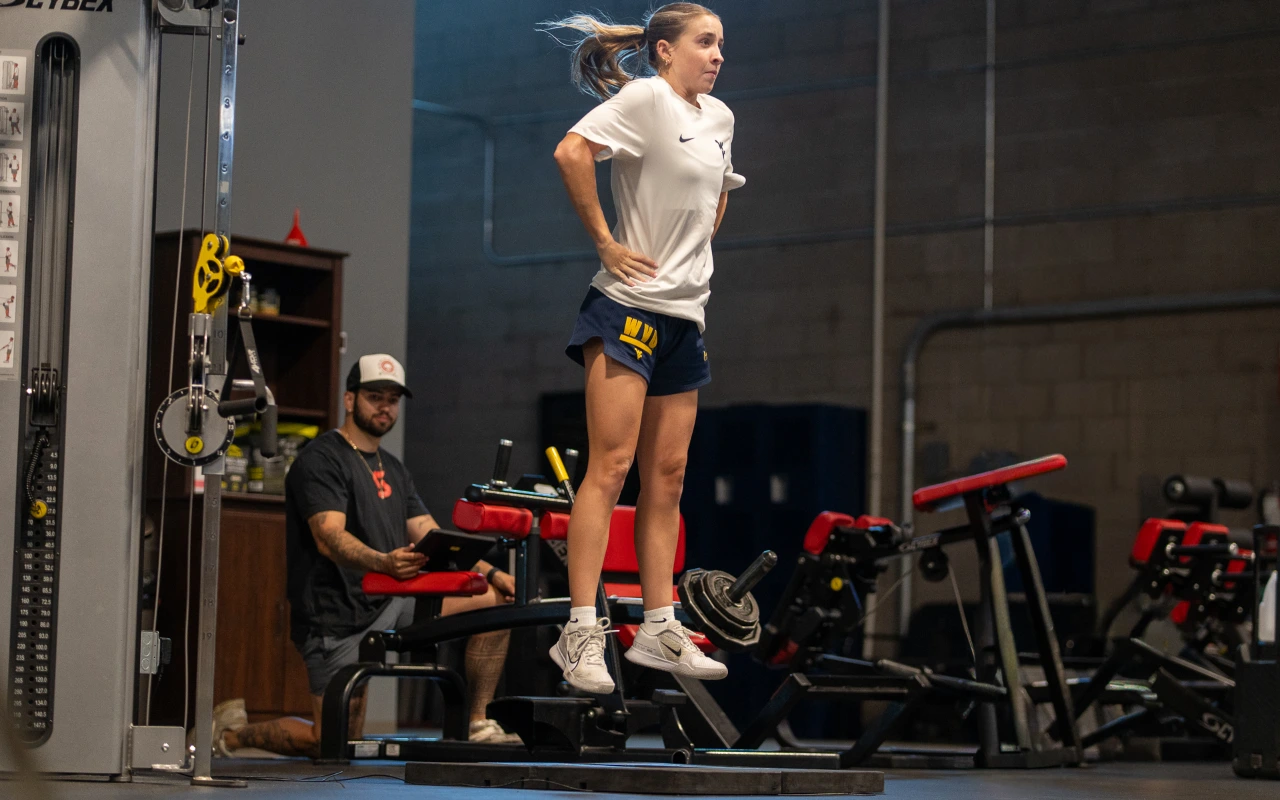
- Year-round strength training
- Consistent mobility work
- Monitoring how your body responds to workload
Basketball rarely provides a true offseason, so recovery needs to evolve throughout the year. Because downtime is limited, recovery strategies need to evolve throughout the year. Periods of active rest allow tissues to recover without stopping training entirely. That may mean temporarily reducing high-impact jumping, sprint volume, or explosive movements while emphasizing strength, mobility, or skill work.
Advocating for rest, when it’s needed, is one of the most effective ways to reduce injury risk.
Smart Recovery Strategies for Basketball Players
Recovery isn’t about doing less—it’s about doing the right things at the right time.
Effective strategies include:
- Active rest periods (reduced jumping/sprinting volume)
- Structured warm-ups and cooldowns
- Soft tissue work
- Dry needling when appropriate
- Recovery routines before and after games
Recovery supports performance—it doesn’t replace training.
Why Strength Training Is Essential for Basketball Performance
Strength training is one of the most important tools for injury prevention and performance.
Players who stay consistent with strength and mobility work tend to tolerate higher workloads and recover more efficiently.
Strength training helps:
- Build muscle and tendon resiliency
- Improve force absorption
- Increase durability over long seasons
Playing basketball alone does not fully prepare your body for the demands of the sport.
Stronger athletes = more resilient athletes
Soreness vs Injury: How to Tell the Difference
Some soreness, especially for younger athletes or during heavy training periods, is normal. But not all pain should be ignored.
Pay attention if:
- Pain lasts more than 2–3 days
- Symptoms worsen instead of improve
- You notice swelling
- Movement feels restricted or different
Tendons adapt slowly. Ignoring early signs often leads to longer recovery later.
Why Movement Screens Matter for Basketball Players
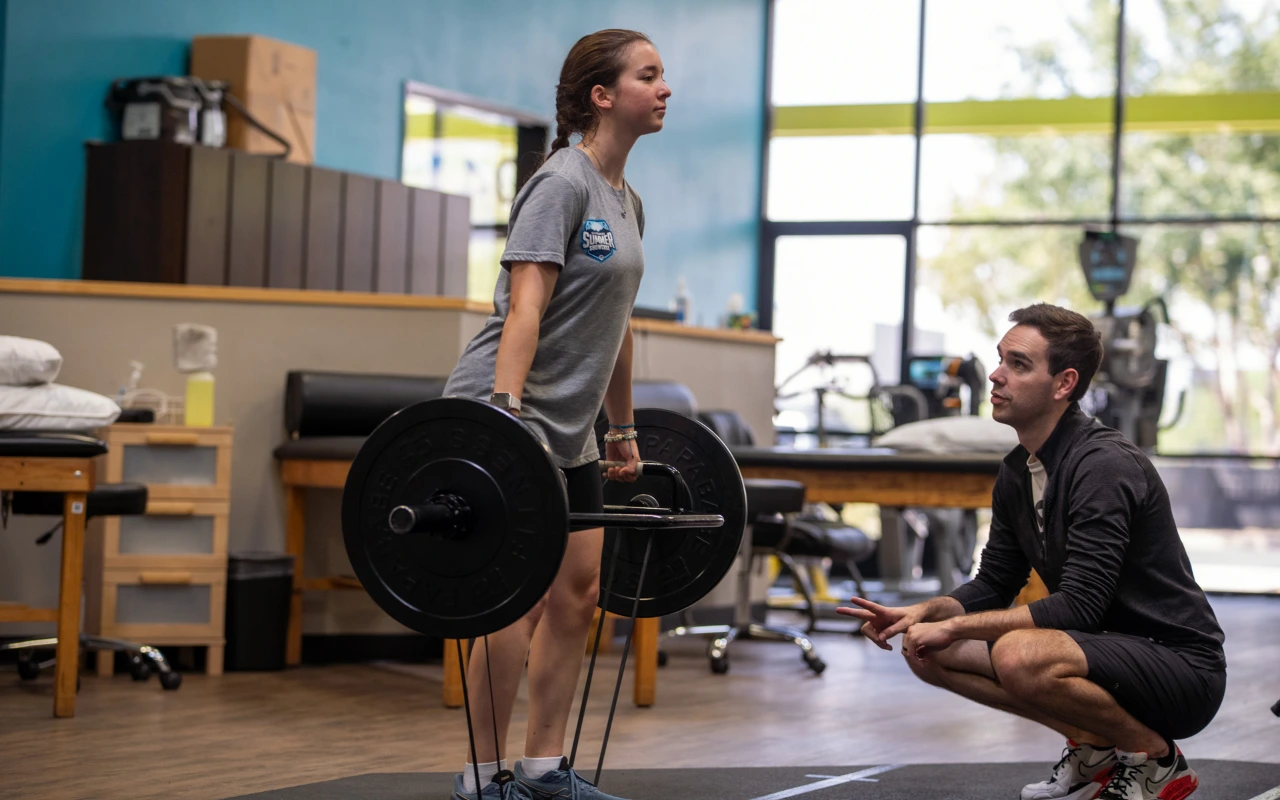
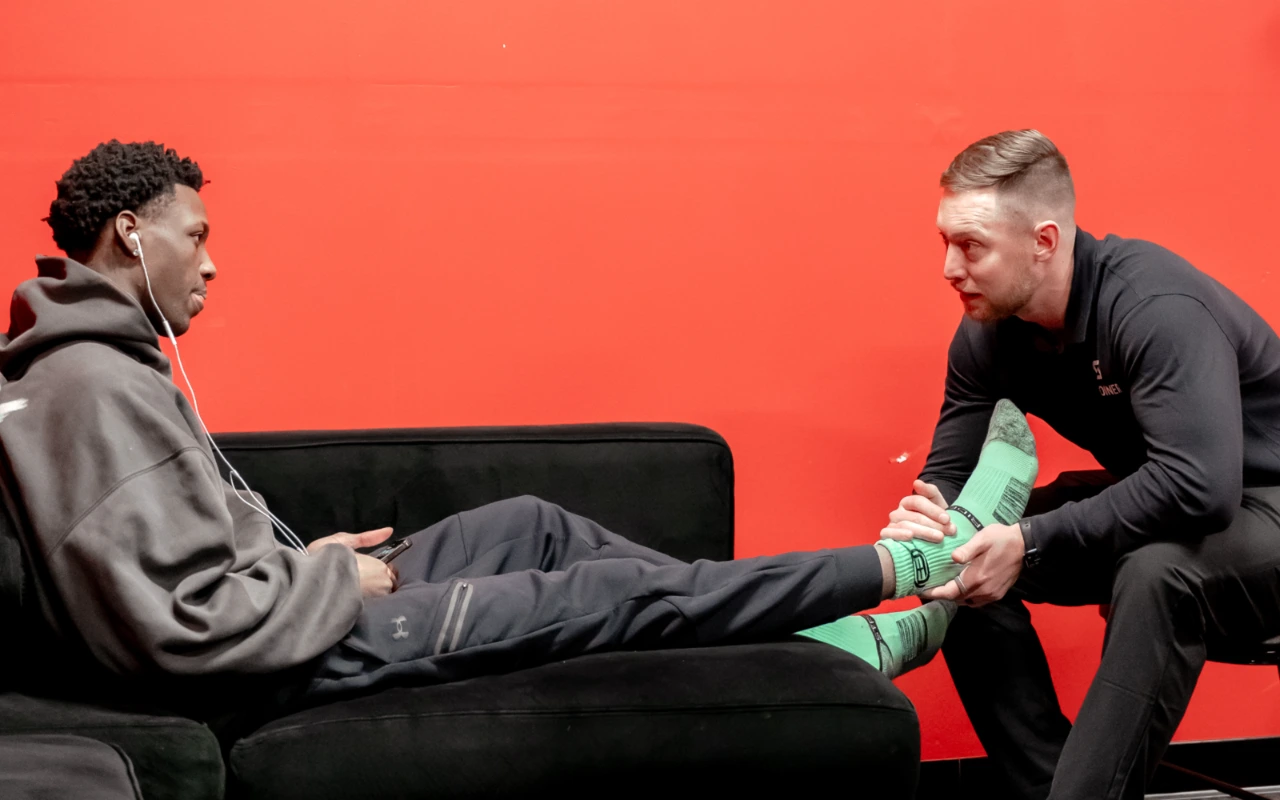
Movement screens performed by a sports physical therapist can identify patterns that place excess stress on specific joints or tissues. When those patterns are addressed early, problems can often be prevented before pain becomes part of daily training.
A sports physical therapy movement screen can identify:
- Imbalances
- Movement inefficiencies
- Areas of increased stress
When caught early, these issues can often be corrected before they become injuries. When players are evaluated while healthy, the focus can go beyond injury. Strength testing and objective measures help track progress over time and guide training decisions throughout the season.
Even more important:
- Establishing a baseline
- Tracking progress throughout the season
- Making smarter training decisions
In basketball, availability matters as much as talent.
Build a Long, Healthy Basketball Career
Most missed time doesn’t come from one bad play. It comes from repetitive stress that’s been building—and gets ignored.
The athletes who stay on the court:
- Recognize patterns early
- Stay consistent with strength, mobility, and recovery
- Adjust before small issues become big problems
The season will keep moving either way. The question is whether your body can keep up with it.
Stay in the Game
Don’t wait until pain becomes a problem. Schedule your complimentary movement screen with a Spooner sports physical therapist today and take control of your performance, recovery, and long-term health.