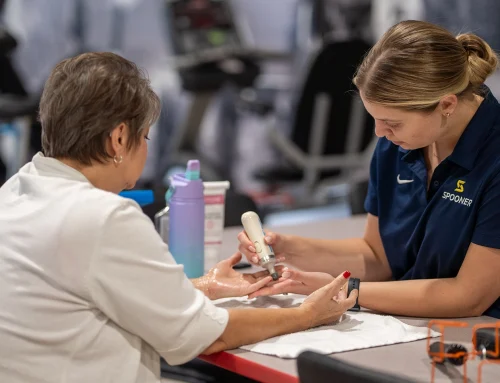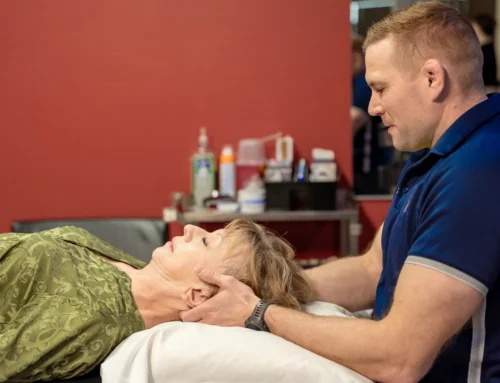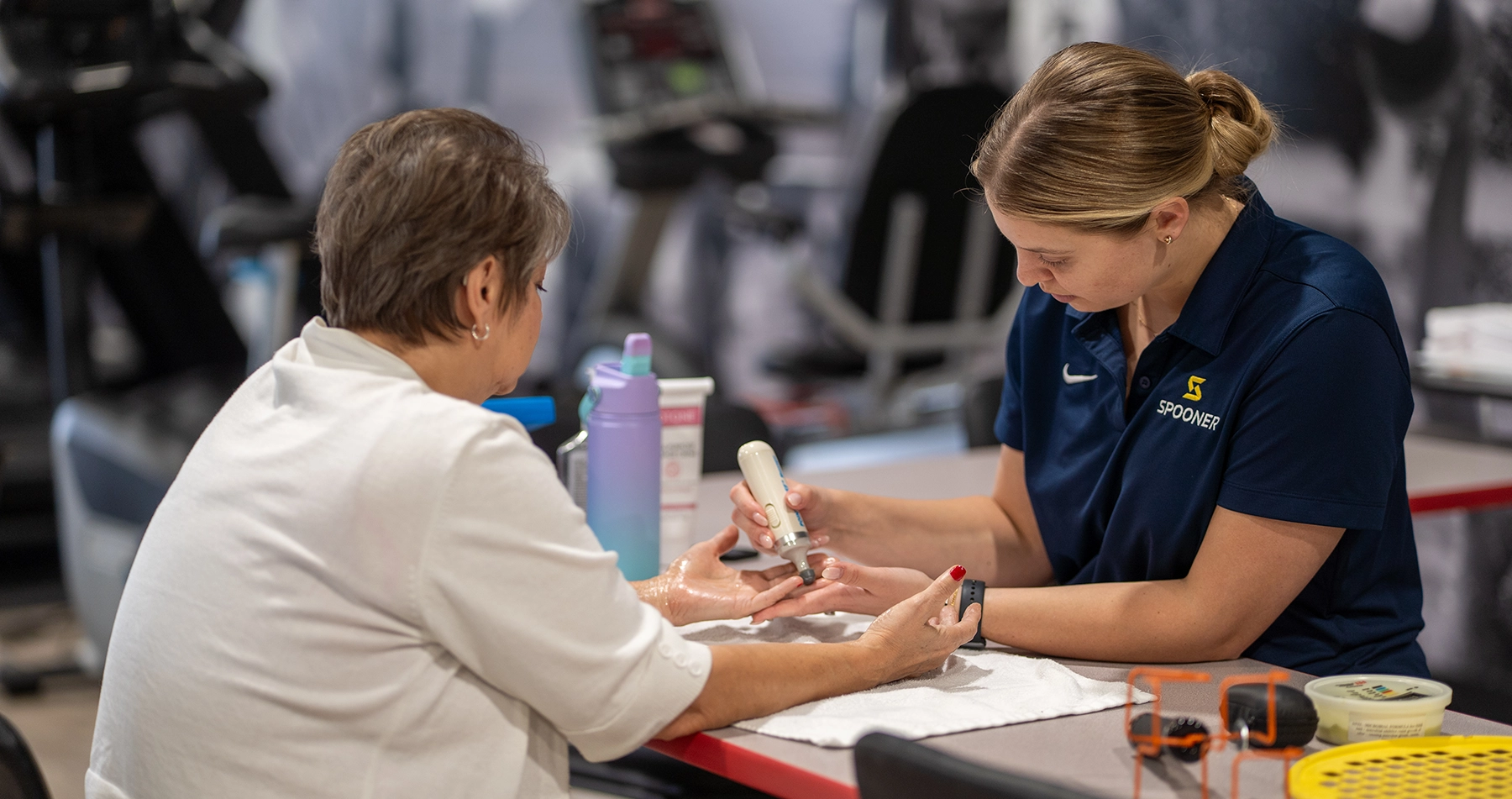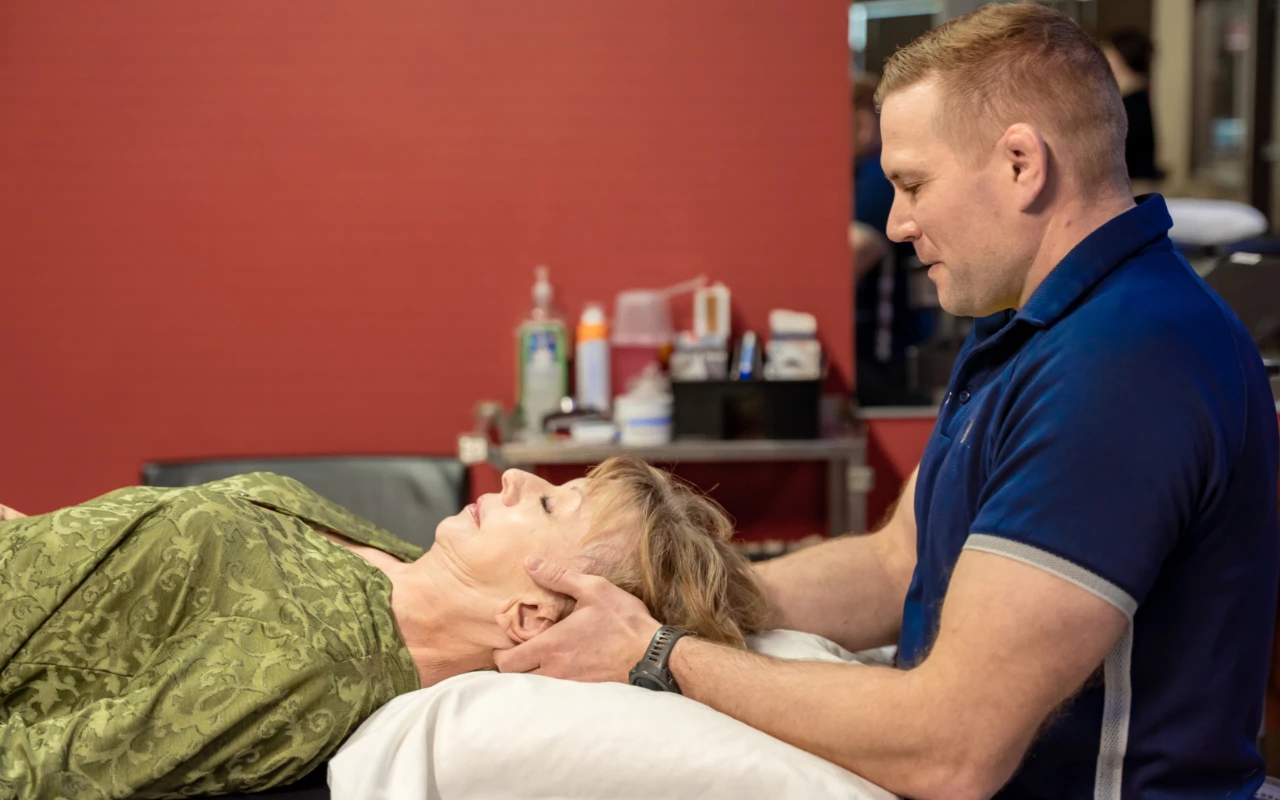
Occupational therapy, physical therapy, speech therapy… navigating the differences between healthcare professionals and specialized therapists can get a bit confusing! Each April during Occupational Therapy Month, we take the opportunity to highlight the occupational therapy profession, and all the meaningful work occupational therapists do in their communities.
Our team of occupational therapists at Spooner say, “It is not uncommon for occupational therapists to get grouped in with our physical therapist colleagues, and we are often referred to as physical therapists! I think it is important to bring awareness to our profession and the more promotion we can get out there about us and our unique differences and contributions to the therapy world, the better.”
1. The occupational therapy profession is over 100 years old. Occupational therapy was founded by three men and three women in 1917, the same year the American Occupational Therapy Association (AOTA) was established. The profession has been growing ever since.
2. Most people don’t know that occupational therapy is for every age and every stage. From a toddler working on fine motor skills to an adult recovering from a stroke to an older adult learning to live independently after a fall, occupational therapists work with people at every age and stage of life to help them get back to the daily activities that matter most to them.
3. Occupational therapists are trained in something called activity analysis. They identify personal and environmental strengths and barriers to find the right match between a patient’s skills and the demands of the activities they want and need to do.
4. Occupational therapy and physical therapy are different, but share more common ground than most people realize. Both use therapeutic exercise, hands-on treatment, and evidence-based techniques to support recovery. The difference depends heavily on the setting and how the care is applied.
Physical therapy often focuses on restoring movement, strength, and mobility, while occupational therapy focuses on using that movement for meaningful daily activities.
An occupational therapist’s focus is task-driven within the patient’s environment.
5. Becoming an occupational therapist requires a graduate degree. Aspiring occupational therapists must earn at least a master’s degree in occupational therapy, though many programs now offer an entry-level doctorate (OTD) as well. From there, they must meet the licensing requirements of the state they practice in.
6. Occupational therapists work in more places than most people realize. From hospitals and outpatient clinics to schools, nursing homes, home health, and community centers, occupational therapists bring their expertise to wherever patients need them most.
7. Occupational therapy has more specialties than most people expect. Within the field, occupational therapists can focus on areas like neurological rehabilitation, hand therapy, chronic illness management, pelvic floor therapy, pediatric development, and more. Each specialty brings a deeper level of expertise to the specific conditions and populations an occupational therapist serves, which means there is likely an occupational therapist out there who specializes in exactly what you need.
8. “Occupational” doesn’t mean what most people think. The word “occupation” in occupational therapy doesn’t refer to your job. It refers to any meaningful activity that occupies your time, from getting dressed in the morning and preparing meals to playing with your kids or returning to a hobby after an injury. If it matters to you and it’s part of your daily life, it counts.
9. Occupational therapists are trained to work with a wide variety of diagnoses. This includes traumatic brain injuries, autism spectrum disorder, stroke, cerebral palsy, burns, fractures, spinal cord injuries, orthopedic impairments, sensory processing disorders, developmental delays, and more.
10. You may not need a referral to see an occupational therapist. Many people assume they need a doctor’s referral before starting occupational therapy, but that isn’t always the case. Whether or not you need one can depend on your state and your insurance plan. Learn more about referrals and what to expect before your first visit.
Spooner occupational therapists have extensive training in treating a wide range of conditions and helping patients get back to the activities that matter most to them. This team of specialized therapists is prepared with the knowledge, skill, and experience to manage your full recovery and help you achieve success through movement.
Ready to schedule an appointment? Schedule an appointment or complimentary movement screen with a Spooner therapist at one of our locations throughout the valley.