The path to becoming a physical therapy or occupational therapy professional comes with a lot of hard work and a lot of questions. Questions about school. Questions about working in a clinic. Questions about what the job really looks like day to day.
Like most things in life, the most helpful guidance often comes from people who have lived it. At Spooner, students learn alongside clinicians who remember what it felt like to be in their shoes and who are genuinely invested in helping them grow. Students are encouraged to ask questions, think critically, and build confidence along the way.
Learning in the Clinic
If you are considering a career in physical therapy or occupational therapy, working in a clinic can provide valuable early exposure. Many undergraduate students work as physical therapy technicians while completing their bachelor’s degrees. This allows them to explore whether physical therapy or occupational therapy is the right fit before applying to graduate school.
As technicians, students see patient care up close, observe clinical reasoning in real time, and gain a deeper understanding of how a clinic functions day to day. They build relationships with licensed physical therapy and occupational therapy clinicians and begin to understand what the profession truly involves.
Once in graduate school, some students choose to maintain their role as a physical therapy technician while completing their program. Continuing to work in the clinic allows them to strengthen their foundational skills, reinforce classroom learning, and stay immersed in the clinical environment throughout their education.
Monthly Hands-On Learning Workshops
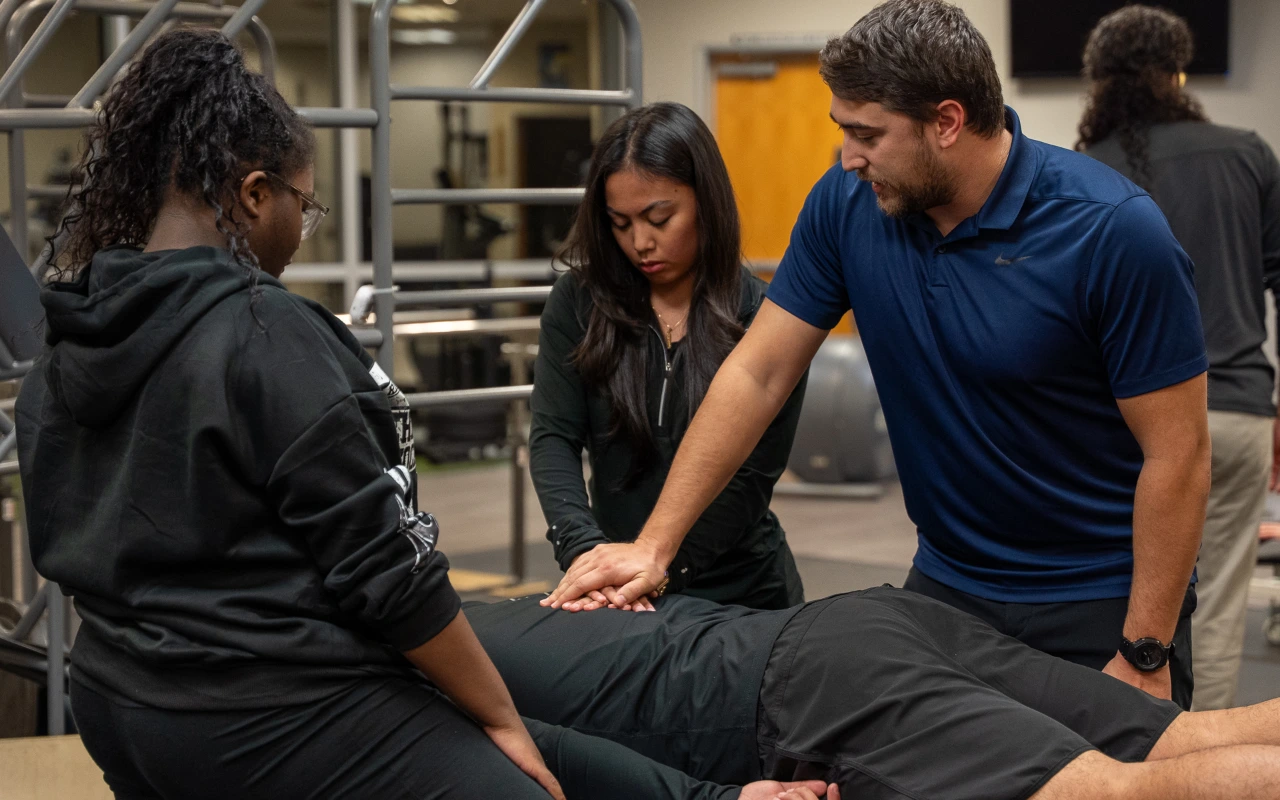
Spooner prioritizes student development by hosting hands-on workshops called Student Learning Nights. These sessions are led by Joe Escobedo, PT, DPT, OCS, FAAOMPT, COMT and are typically held on the first Tuesday of each month at Spooner South Mountain.
Student Learning Nights are generally reserved for physical therapy and occupational therapy students who are currently enrolled in graduate programs or completing clinical rotations in the Phoenix area. The goal is to provide meaningful, hands-on practice for students who are actively building their clinical skills.
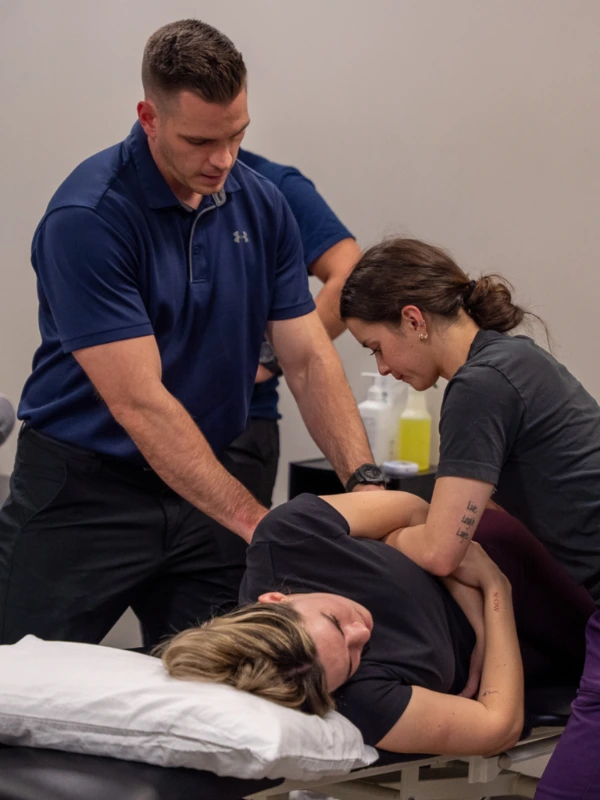
Recent sessions have focused on developing confidence with cervical and lumbar mobilizations, pairing hands-on techniques with guided clinical reasoning and decision making. Students leave with improved technical skills and a clearer understanding of how to apply what they are learning in graduate school to real patient care.
Spooner South Mountain was recently recognized by Creighton University as a Clinical Education Site of Excellence for its commitment to physical therapy and occupational therapy student education.
Conversations with Experienced Therapists and Leadership
Spooner also hosts free networking nights for physical therapy and occupational therapy students. These events are designed for students in graduate programs who want to ask thoughtful questions about specialties, career paths, leadership, and long-term growth in the profession.
Spooner is a therapist owned and therapist ooperated business with a leadership team who began their careers in physical therapy and occupational therapy, so conversations are grounded in lived experience. Students hear different perspectives and honest insights from professionals who have continued to evolve within the field.
CEO Tim Spooner regularly attends and hosts a live Q and A, giving students the opportunity to learn from his decades of experience in physical therapy and occupational therapy leadership.
Mentorship and Intentional Learning Across Specialties
For students completing clinical rotations in the Phoenix area, mentorship extends beyond workshops. Students gain hands-on experience alongside clinicians in specialties such as sports medicine, pelvic health, hand therapy, pediatrics, and breast rehabilitation and oncology.
- sports medicine,
- pelvic floor physical therapy,
- hand therapy,
- pediatrics,
- and breast rehabilitation and oncology.
This exposure helps graduate-level physical therapy and occupational therapy students better understand how different specialties function and where their own interests may align. Mentorship happens naturally through observation, guided discussion, and structured feedback. Students are encouraged to think critically, articulate their reasoning, and refine their clinical decision making in a supportive environment.
Students Are Treated as Learners, Not Observers
“Having a mentor who encouraged me to talk through my thought process and ask questions helped me feel more confident in my decisions.”
This reflection comes from former NAU student Sara, who completed her clinical rotations at Spooner Ahwatukee. She shared that being encouraged to verbalize her reasoning and engage actively in patient care played a meaningful role in her development as a physical therapy and occupational therapy student clinician.
For more than 30 years, Spooner has supported thousands of physical therapy and occupational therapy students. That support begins with undergraduate students exploring the profession as technicians and continues through graduate education and clinical rotations.
A Culture Built on Continuous Learning
At Spooner, continuous learning is a lived value. Clinicians who have practiced physical therapy and occupational therapy for decades continue refining their skills alongside students who are just beginning their professional journeys.
Spooner invests intentionally in graduate-level development while also creating opportunities for undergraduate students to explore the profession. Supporting the next generation of physical therapy and occupational therapy professionals is part of how the field continues to move forward.
Are you an undergraduate or graduate student interested in physical therapy or occupational therapy and want to learn how you can get involved with Spooner? Learn more about student opportunities on our website.