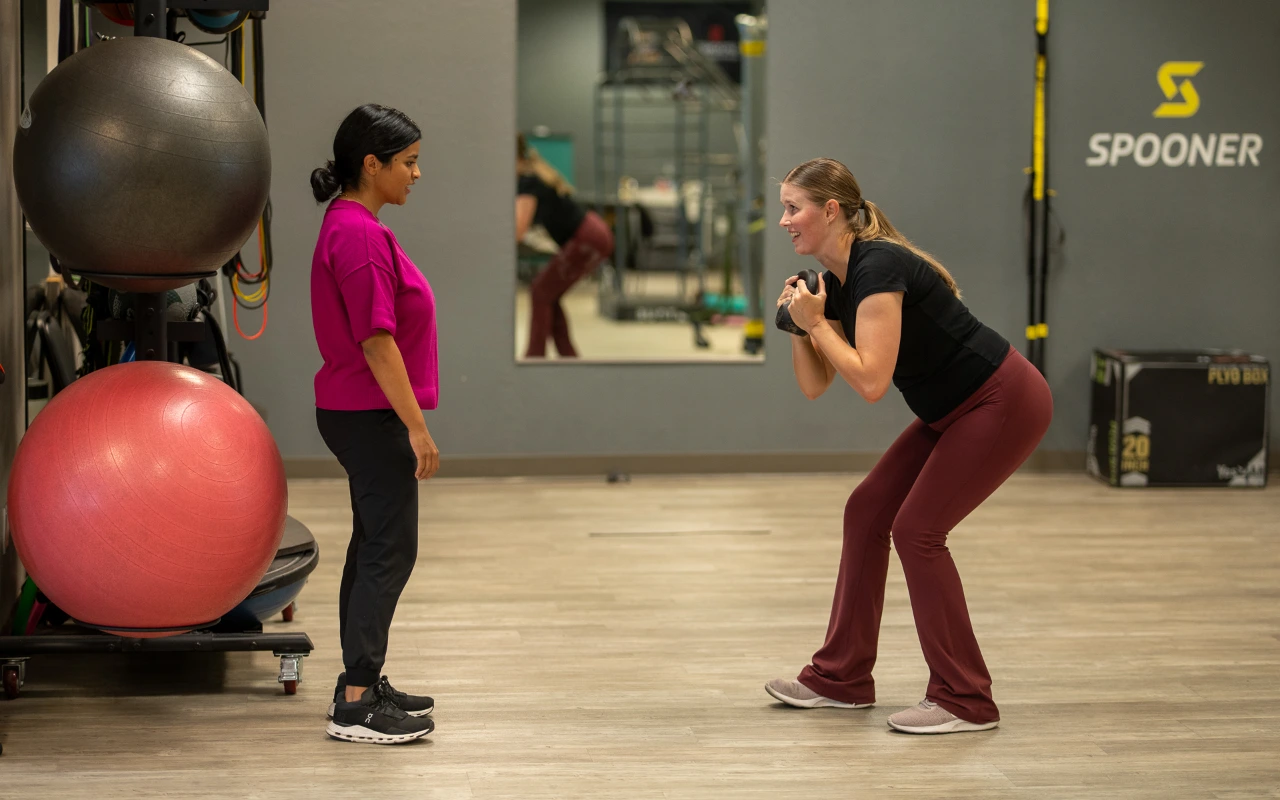
There is something special that happens when you bring together people who are relentlessly committed to helping athletes perform, recover, and thrive. That was The Huddle Sports Medicine Conference.
From the moment attendees walked through the doors at On Jackson in downtown Phoenix, the energy was undeniable. Conversations started before the first session. New connections formed over coffee. Ideas were exchanged in hallways, during lunch, and long after presentations ended.
For two days, physical therapists, athletic trainers, physicians, strength coaches, sports psychologists, nutritionists, and sports medicine leaders came together with one shared goal: to keep pushing athlete care forward.
This was not a conference built around passive learning or checking a CEU box.
This was a room full of clinicians who care deeply about their craft and are committed to getting better for the athletes they serve.
Day One: Recovery, Research, and Real World Application
Day one opened with featured speaker Robin Thorpe, whose session on elite recovery immediately set the tone for the weekend. The morning explored the full spectrum of athlete recovery and performance, blending science with practical strategies clinicians can immediately apply.
Randon Hall challenged attendees to rethink sleep as one of the most powerful and underutilized recovery tools in sports. Simin Levinson delivered practical nutrition strategies that support healing and performance. Brook Choulet brought mental health into the conversation, while Jessica Beal-Stahl highlighted the critical role medication awareness plays in overall athlete health.
One attendee summed it up perfectly:
“The small details that are really easy to utilize day to day often go unused. That was exactly what I needed to hear.”
The afternoon shifted toward translating research into real clinical practice.
Erik Meira led an engaging session on bridging the gap between evidence and application. His ability to make complex research immediately actionable continues to make him one of the most impactful voices in sports medicine education.
That momentum continued with Jess Elis breaking down the complexities of the patellofemoral joint and Rachel Geoghegan presenting actionable insights around female athlete care and performance.
Day one closed with one of the most powerful conversations of the weekend.
Zach Brandon challenged providers to think differently about sustainability in healthcare and the importance of caring for themselves while caring for others. For a room full of clinicians who spend every day pouring into athletes, the message hit home you can’t keep giving to others if you never take care of yourself.
Day Two: High Level Athlete Care and Performance
Day two opened with featured speaker Sam Contorno, who delivered an outstanding presentation about sport science, collaboration amongst providers, and how this helps improve performance and build more resilient football athletes.
The rest of the morning continued at a high level.
Chuck Peterson explored regenerative medicine strategies designed to keep athletes on the field during the season. Adam Loiacono followed with a practical roadmap for effective rehabilitation after those interventions.
Sue Falsone delivered one of the standout sessions of the conference with a deep dive into calf and Achilles tendon management. Attendees walked away with a clearer framework for understanding tendon failure, injury prevention, and smarter rehabilitation strategies.
Kaitlyn Keyser and Dano Norceide brought real world experience directly into the room through their session on core muscle injuries and their work with professional football athletes, including players from the Arizona Cardinals.
That balance between science, collaboration, and real world application is exactly what makes The Huddle different.
The afternoon expanded into broader athlete management and performance concepts.
Katie Lucas explored neurologic recovery in athletics. Carrie Yaeger addressed pelvic floor health in male athletes, an important and rapidly growing conversation in sports medicine.
Javier Miller-Estrada challenged attendees to rethink skill development through variability and adaptability, while Erik Meira returned to close the conference with a compelling session on integrated care and the future of collaboration in sports medicine.
It was the perfect ending to a weekend built entirely around connection and interdisciplinary care.
The Difference Was the Room
One of the things that continues to set The Huddle apart is the environment itself.
The intentionally intimate format creates something larger conferences often cannot: meaningful interaction.
Speakers were not hidden behind green rooms or rushing out immediately after presentations. They were having conversations during lunch, connecting during happy hour, answering questions between sessions, and engaging directly with attendees throughout the weekend.
That accessibility matters.
It creates a collaborative atmosphere where every perspective has value and where learning extends far beyond the presentation slides.
One returning attendee shared:
“The smaller setting allows you to really network while learning from different areas of expertise. That’s what makes it different from other conferences I’ve attended.”
The experience extended beyond the education sessions as well.
Attendees explored emerging sports medicine and recovery technologies on the vendor floor, connected with industry leaders, and spent two days surrounded by people equally passionate about advancing athlete care.
Sponsors like Altra elevated the experience by creating hands on opportunities for attendees to test products, ask questions, and engage in meaningful conversations around performance and movement.
What People Are Saying
“I’ve met incredible people. The presentations were outstanding. Learning beyond PT and bringing in nutrition, psychology, and pharmacology made this one of the best experiences I’ve had.”
“I loved networking with like minded professionals. The conversations around recovery, women’s health, and nutrition were incredibly valuable.”
“The level of thinking at The Huddle is incredible. It pushes you to raise your own standard. That’s why I came back and brought others with me this year.”
Rebekah Hibbert reflected on the weekend by saying:
“I’m thankful for another great year of The Huddle. There was a lot energy throughout the weekend, and it was awesome to see attendees connecting with each other, our sponsors, and the speakers. One of the biggest highlights was diving into recovery, one of the hottest topics in sports right now, with such an incredible lineup leading the conversation. What always makes The Huddle special is that intimate atmosphere paired with truly top-tier speakers, it creates a different kind of experience, with collaboration at the center of it all.”
VIRTUAL REGISTRATION
NOW OPEN
VIRTUAL REGISTRATION
NOW OPEN

REGISTRATION FOR THE HUDDLE 2026 VIRTUAL COURSE IS NOW OPEN!
Couldn’t make it to Phoenix this year? You can still access the entire experience.
The Virtual Huddle Sports Medicine Conference is now open, giving the sports medicine community with the opportunity to experience every session and earn CEUs from anywhere.
Same high-level speakers. Same practical education. Same collaborative spirit. Just on your schedule. Get your pass today!
BOC, APTA, NSCA, and TPTA accredited continuing education
BOC, APTA, NSCA, and TPTA accredited continuing education
Special Thank You
Thank you to every speaker, attendee, sponsor, volunteer, partner, and team member who helped make The Huddle Sports Medicine Conference possible.
Events like this continue to move sports medicine forward. And after this weekend, one thing is clear: The future of athlete care is collaborative, intentional, and continuing to raise the standard.