The holidays usually come with one familiar question: “What do you want this year?”
If moving better, feeling less sore, or making everyday tasks easier is on your list, we have a few ideas for you.
At Spooner, our physical and occupational therapists rely on simple, effective tools every day to help people move more comfortably and confidently. Some of these tools are used in the clinic, while many can be easily incorporated at home. Whether you’re staying active, managing joint pain, or recovering from an injury, these therapist-approved favorites can support how your body feels and functions in the year ahead.
Who This Gift Guide Is For
These tools are especially helpful for:
- Active adults and athletes looking to recover well and move efficiently
- People managing arthritis or joint pain
- Anyone recovering from injury or surgery
- Those who want to stay independent, mobile, and confident in daily life
Foam Pads for Balance, Comfort, and Stability
Foam pads are a staple in therapy for improving balance, stability, and joint comfort. They provide cushioning during floor exercises and make home exercise programs more comfortable and approachable.
They’re especially useful for:
- Knee or wrist support during floor-based stretches
- Balance exercises that safely challenge stabilizing muscles
- Reducing pressure on joints when getting up and down from the floor
PT Tip: Use foam pads to improve comfort and confidence during exercises — especially if joint pressure has been limiting your consistency.
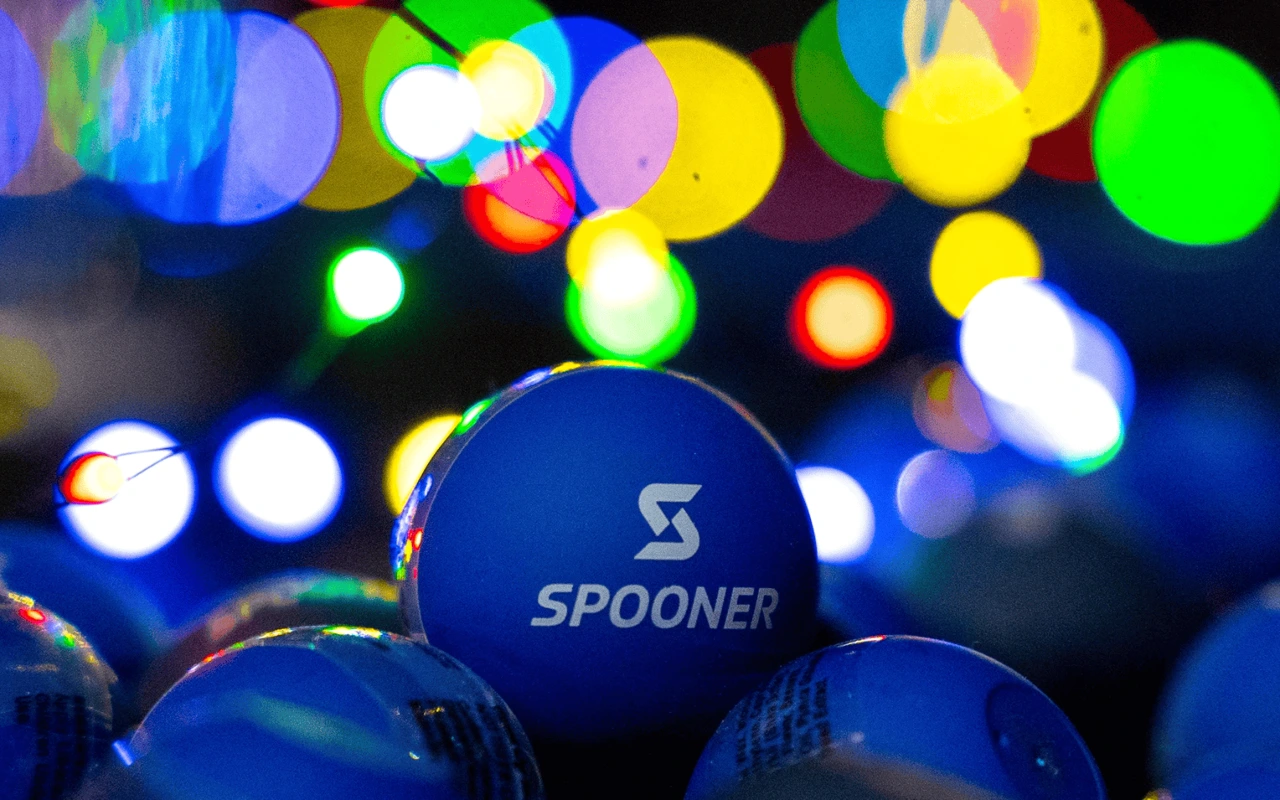
Lacrosse Balls for Muscle Release
If your feet, shoulders, hips, or back feel tight, a lacrosse ball is one of the simplest and most effective tools you can use. It provides targeted pressure to help release muscle tension and improve mobility.
Common therapist-recommended uses include:
- Rolling the bottom of your feet after long days or workouts
- Releasing tight upper-back or shoulder muscles against a wall
- Gentle pressure around the hips and glutes
PT Tip: Apply pressure that feels “productive,” not painful. Aim for 60–90 seconds per area and keep breathing.
Read more about additional self-massage tools and tips in “Why You Should Be Rolling Out Your Feet”
Stretch Bands for Strength (Without Heavy Weights)
Stretch bands are one of the most versatile strengthening tools we use in physical therapy. They’re lightweight, portable, and effective for building strength without excessive joint stress.
They’re great for:
- Rehab and injury prevention exercises
- Travel or at-home workouts
- Improving muscle control through a full range of motion
You can keep them in a drawer, gym bag, or suitcase — and still get meaningful strength work done anywhere.
PT Tip: Slow, controlled movements matter more than band color or resistance level.
Heat and Ice Packs for Sore Muscles
Sometimes the simplest tools make the biggest difference.
- Heat helps reduce stiffness and increase circulation
- Cold helps calm inflammation and soreness after activity
Whether it’s after a long day of holiday errands, time on your feet, or a workout, having both options available makes recovery easier and more consistent.
PT Tip: Heat is best for stiffness and tightness; ice is better after flare-ups or swelling.
Hyperice Recovery Tools (Clinic Favorites, Now at Home)
We’re proud to partner with Hyperice, whose recovery tools are frequently used in Spooner clinics and are also available for at-home use.
Some therapist favorites include:
- Normatec Compression Boots – help legs feel lighter and less fatigued
- Massage guns – useful for post-workout soreness and muscle tightness
- Venom 2 Back – a heated wrap with vibration for stubborn low-back tension
- Vyper 3 – a vibrating foam roller that reaches deeper than standard rollers
These tools are easy to use and can help you recover more efficiently so you can stay active and moving well.
PT Tip: More isn’t better — short, consistent recovery sessions are more effective than long, aggressive ones.
Receive 10% off Hyperice products using the link, Plus an ADDITIONAL 10% off already discounted holiday prices with code RWVIPDEC2025 at checkout.
Visit Hyperice before the sale ends!
Custom Hand Splints for Support & Function
If hand pain, arthritis, or weakness makes everyday tasks harder — such as typing, gripping utensils, or opening jars — custom hand splints can be incredibly helpful.
Made by a physical or occupational therapist, these splints are:
- Custom-molded to your hand
- Designed to reduce pain and support joints
- Built to make daily activities more comfortable
Many people don’t realize how impactful a properly fitted splint can be until they try one.
OT Tip: A splint should support function — not restrict it. Custom fit matters.
Adaptive Tools That Make Everyday Tasks Easier
Occupational therapy often introduces small tools that make a surprisingly big difference in daily life.
Some common favorites include:
- Button hooks and zipper helpers for dressing with stiff or painful hands
- Built-up handles for utensils, pens, or toothbrushes to reduce grip strain
These simple adjustments reduce stress on your joints and help preserve independence.
OT Tip: The best adaptive tools feel natural and blend seamlessly into your routine.
Putting These Tools to Work
These tools are meant to support the work you’re already doing with your physical or occupational therapist — not replace it. When used correctly, they can help you stay consistent, manage discomfort, and keep doing the activities you enjoy.
A Quick Safety Note
If you’re experiencing persistent pain, numbness or tingling, recent injury, or worsening symptoms, it’s important to check with a physical or occupational therapist before starting new tools or techniques.
Ready to Move Better in the New Year?
If you’re not sure which tools are right for you — or how to use them safely — our therapists are here to help.
Schedule a free movement screen with a Spooner Physical or Occupational Therapist and get personalized guidance to help you move, feel, and live better.