When people think about postpartum recovery, most of the information and conversations focus on the first six months after delivery. That makes sense. It’s when follow-up appointments are typically scheduled, questions are fresh, and most of the resources you find online or in your provider’s office are focused.
But what happens after six months? I see just as many patients 12, 18, or even 24 months postpartum who are still dealing with symptoms they didn’t realize could be connected to pregnancy or childbirth.
If you’re a year or two past having your baby and something still feels off, you’re not imagining it, and it doesn’t necessarily mean you’re behind in your recovery. You may simply be reaching a point where you finally have the time and space to notice what your body has been telling you.
Why symptoms can show up later on
In the early months postpartum, your focus is often simply getting through the day. You’re feeding your baby, sleeping when you can, adjusting to new routines, and caring for a tiny human. Your body may already be experiencing symptoms, but with everything else demanding your attention, it can be difficult to recognize them or understand what they mean.
As life begins to settle into a new rhythm and you return to exercise, work, hobbies, or other activities, those symptoms may become more noticeable. And sometimes, that’s when you begin to realize your body still needs support.
What I commonly see in patients a year or more postpartum
Urinary incontinence: I want to be direct about this one: leaking urine is common, but it is never normal, whether you’re two weeks postpartum or two years out. If you’re chasing your toddler, jumping, or running, and you notice urine in your underwear, that’s worth addressing. The same goes for urgency, if you’re struggling to hold your bladder and can’t make it to the bathroom in time, this is considered abnormal.
Pelvic organ prolapse: This can happen immediately postpartum, but I see it just as often around the twelve to eighteen month mark, once the physical demands of parenting a toddler have kicked in. A common early sign is pelvic heaviness at the end of a long day.
Diastasis recti (abdominal separation): Early on, you might not notice any issue lifting your baby. As your child gets bigger and the demands on your core increase, it starts to feel a lot harder to lift them, get out of bed, or manage daily activities. A visible bulge in your abdomen when you sit up or get out of bed can also be a sign that your abdominal muscles have separated and haven’t fully reconnected.
What a realistic recovery timeline looks like
The six-week postpartum checkup is often treated like a finish line, but I’d encourage you to think of it as a starting point instead. It is a medical checkpoint, but your body needs more time. That visit is frequently brief, and it doesn’t always include a full assessment of your core or pelvic floor function.
Here’s a more realistic breakdown of what recovery can look like:
First three months: This is the window to start rebuilding core strength and to have your pelvic floor function properly assessed. Some women come out of delivery with pelvic floor muscles that are too tight rather than too weak, and that tension can cause just as many problems as weakness does. The early goal is figuring out whether those muscles can both contract and relax on command, and building the mind-body connection that lets you control them.
Three to six months: Continue building that core and pelvic floor coordination as symptoms start to settle.
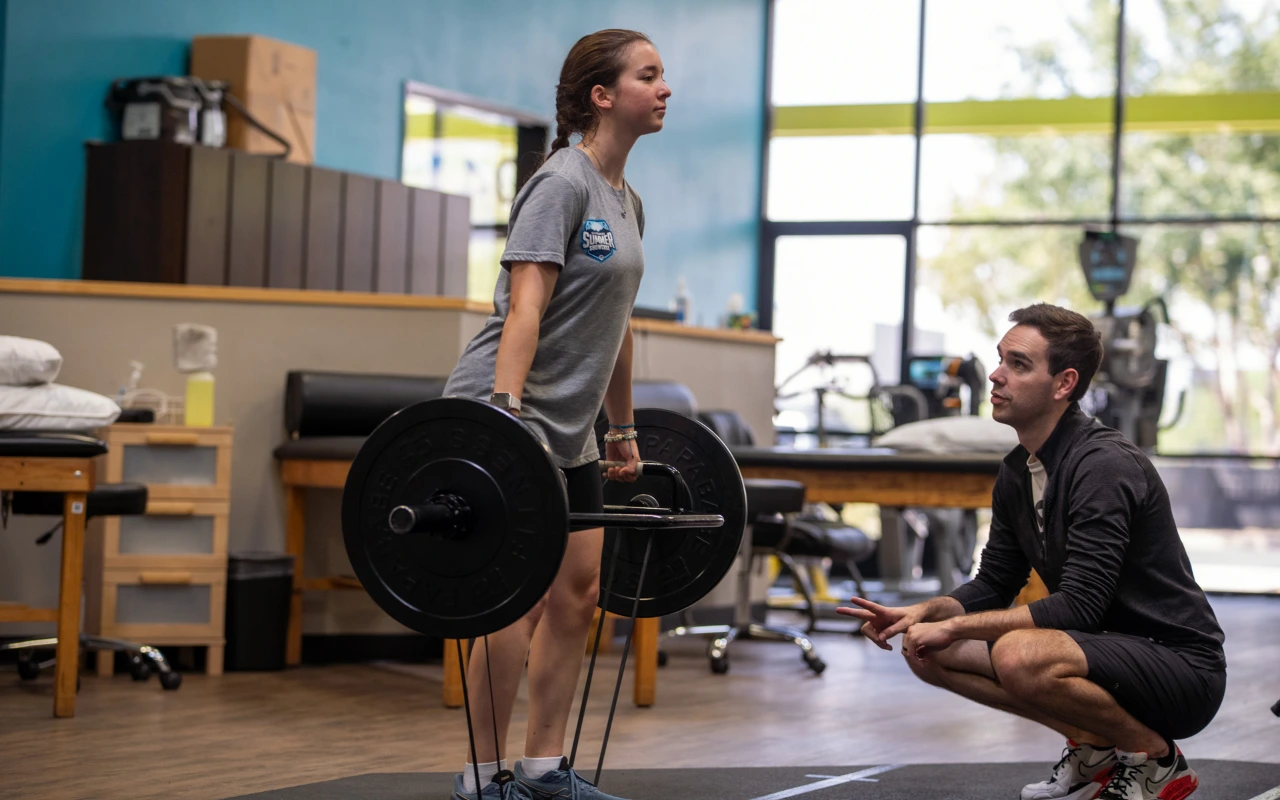
Six months and beyond: This is where strength training becomes the priority. You want to feel strong for yourself, and you also need the strength to keep up with a growing, increasingly mobile child. If you’re planning to have another baby, building strength now sets you up for an easier recovery next time.
A year or more out: The work doesn’t have an end date. Continuing to train your core and pelvic floor is still beneficial two or more years postpartum, whether you’re managing existing symptoms or simply maintaining function as your child gets bigger and heavier.
Strong isn’t always the goal
It’s common to assume that stronger or tighter pelvic floor muscles are always better. But that’s not necessarily the case. A pelvic floor that stays too tight or has difficulty relaxing can also contribute to pain, discomfort, and other symptoms.
The goal is a pelvic floor that can do both: contract and provide support when you need it, and fully relax when you don’t.
That balance looks different for everyone. A physical therapist can evaluate how your pelvic floor is functioning and help determine whether you need to focus on strengthening, relaxation, coordination, or a combination of these areas.
It’s never too late to come in
Many women feel like they should be “fine” by now or wonder why their body hasn’t fully recovered on its own. But postpartum recovery doesn’t follow a set timeline. Whether you’re six months, a year, or even several years postpartum, it’s still worth addressing symptoms that are affecting how you feel, move, or function.
If you’re also experiencing postpartum depression or other mental health concerns, those deserve attention as well. Talk with your healthcare provider or mental health professional about what you’re experiencing so you can get the right support.
One piece of advice I often give: treat your own appointments with the same importance you would your child’s. Whether it’s physical therapy, mental health support, exercise, or simply time to reconnect with friends, put it on the calendar and make it a commitment rather than something that gets moved whenever someone else needs your time.
Taking care of your own health helps you continue doing the things that matter to you, including caring for your family.
If any of this sounds familiar, whether you’re six months postpartum or several years out, a physical therapist can help you better understand what’s going on and determine the right next steps. You don’t have to assume that lingering symptoms are simply something you have to live with.