By: Julie Kresl, PT
After you have surgery, like breast reconstruction surgery, it’s so important to come to physical therapy. You might wonder what to expect after surgery and how physical therapy can help. Let’s walk through what you may experience and what we focus on together in physical therapy to help you heal and move forward.
Please keep in mind that each person can present different symptoms after surgery, so be sure to consult a breast rehab oncology therapist, like me, to get a custom plan for your needs.
What can I expect after surgery?
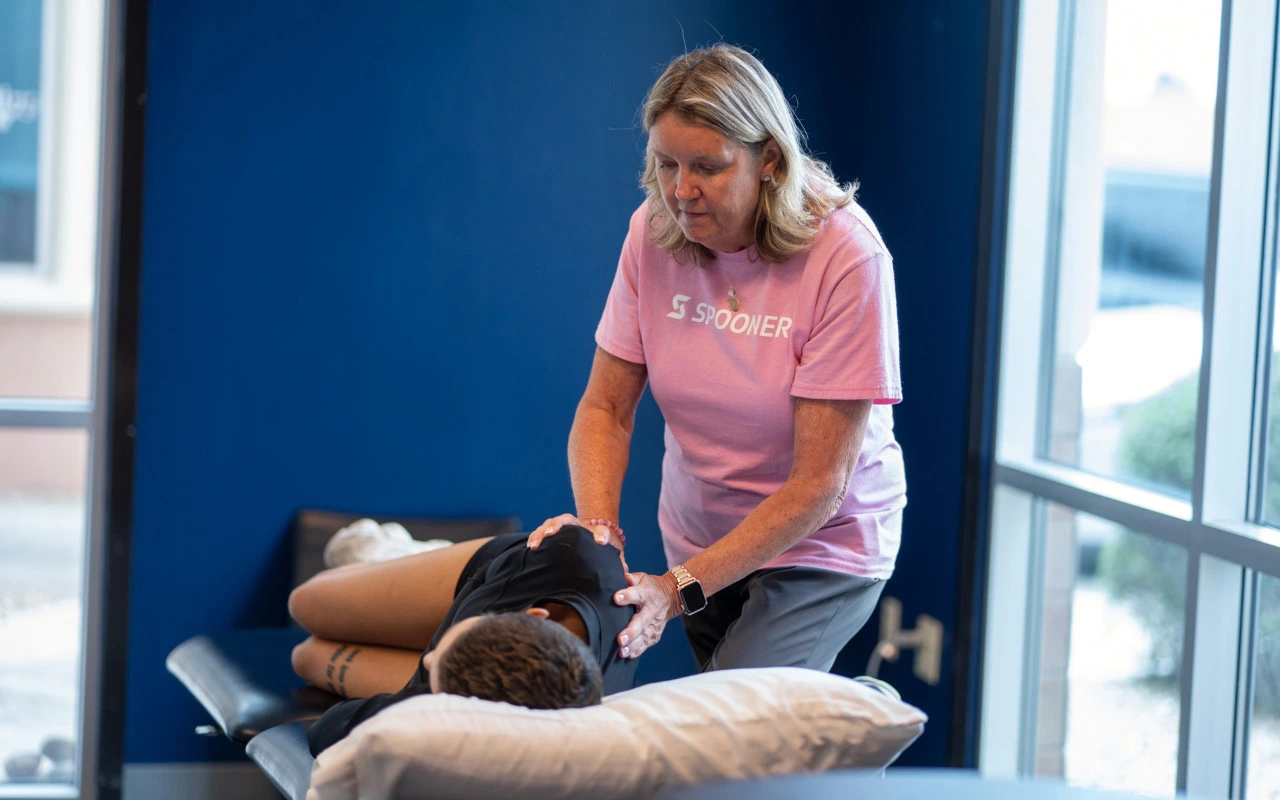
Some of the main physical challenges I see are stiffness, problems with range of motion, and pain management. So, I will work hands-on to release and minimize scar tissue and improve joint mobility. We will also use exercises to regain flexibility and movement in the whole body and help to prevent further issues like frozen shoulder.
Pain management is huge because after surgery, there are a lot of related factors. This can be nerve pain, lymphedema pain, or just general surgical healing pain. Lymphedema training and education are incredibly important because lymphedema may not always happen right away. It can happen a couple of years later down the road, depending on what happens, so it is important to get this education early and know you have a resource to come back to whenever any complication, tightness, or pain starts again. There are also plenty of resources including pumps, compression sleeves, manual therapy, lymphatic therapy, etc.
99% of patients come in and are unsure why they are coming to physical therapy for breast cancer recovery and support. Maybe your doctor told you to, so you came in. It is important to note that other specialties, such as radiation oncology, surgeons, etc, save your life. Our goal as physical and occupational therapists is to get you back to function. So, things like going to the bathroom, putting on a bra, those are the types of things we are working towards as a first step of function to get back to what you enjoyed previously.
We want to work directly on the scar and breast tissues to help promote nerve return so we can help you heal. your balance, your core, your shoulder exercises, all of that is so important. Then you can in turn advocate for yourself.
All this hands-on work helps the blood flow to help facilitate healing, which allows early movement, early exercise, and more movement!
Read more about life after breast cancer in “Return to Life: Breast Cancer and Physical Therapy” on the Spooner Blog.
Common Fears Debunked
I know that after surgery, there can be a lot of fear about how to approach this time period of healing. There are incisions to worry about, and it can be hard to move freely. I want to help assure you that early movement that is appropriate is what is ultimately going to help your future self. This helps reduce the build-up of scar tissue, manage fatigue and endurance, and even the mental side of having support from a physical therapist that you see frequently as a provider makes all the difference.
Another common fear is that the activities you love—gardening, caring for your kids, and playing sports—will never be the same. But our goal is to increase strength and endurance so you can safely return to what you love.
We also know that working with insurance, everyone’s visit length differs, so educating you is one of the most important steps. Sometimes, a person’s insurance may allow 12 visits, or sometimes the amount of visits may be unlimited, so we make sure that you have the tools you need when you walk out of our clinic doors. Spooner also offers competitive pay-as-you-go pricing, so that there are multiple options to make sure you get the care that you need.
How Your Care Giver Can get Involved
What we want you to know is that we will not only take care of you and educate you, but we will also bring your designated caregiver along for the journey.
Caregivers often face an exhausting toll both physically, mentally, and emotionally. So, how does someone get the support they need when maybe a caregiver is afraid of hurting you or doing something wrong? It is all about guidance. Physically, they can learn how to give a lymphatic massage, help facilitate passive stretching, learn proper body mechanics to help perform things like sitting up when dealing with healing incisions, and going through exercises together.
You will need support and help, and the caregiver role is vital in your recovery as well so we can continue the work we do in the clinic at your home.
Caregivers, what I would like you to know is:
- I know this has been tough to navigate, and fear is real right now. But you are not going to hurt your loved one. It is scary to navigate but getting them moving and strong is possible. You have to take it apart a little at a time and not let the fear take over.
- You need to take care of you. Whether it be asking for help from other loved ones who can sub out with you, therapy, a hot meal, support groups, and just doing the normal things you need as a person, your needs are important. It is incredibly difficult to help when your body is running on empty.
Something I think that is important to note is that it is ok to push the limits a bit. What I mean by that is fatigue is very normal after you’ve gone through surgery, radiation and chemotherapy. So doing your exercise program every day is so important, or even if you are having a bad day, just making sure you’re getting up and even just walking around.
Resources to Know
One of the cool parts about seeing and helping so many women is that we as physical and occupational therapists are connected into the breast cancer community. This means that we can help you get connected with resources like the American Cancer Society, Pink Ribbon Club, Check for a Lump, Facebook groups, etc. Utilizing these groups helps connect you with a support network that knows exactly what you are going through.
Your Journey After Treatment
Even though a lot of you come in because of surgery and reconstruction, most of you have been through so much more before you get here. Radiation, for example, can cause the skin to become very fibrotic, and scar tissue builds up again. It keeps tightening over time, it never really stops giving, so we talk a lot about how that affects you moving forward. That’s why movement is so important, along with good skincare and nutrition.
Then there are the chemo effects, which can be even more severe because they are systemic. Chemo can cause balance and sensation issues, which could be issues related to functional self-care or anything that involves use of hands and feet. One of the biggest concerns is balance because peripheral neuropathy increases your risk of falls. On top of that, chemo drugs can bring on osteopenia or osteoporosis. So now, if you do fall, there’s a higher chance of fracture. I try to give you as many tools as possible to manage those symptoms.
I know you’re also dealing with low nutrition from not being able to eat, fatigue, hair loss, and many more side effects. Some things will get better over time, and some are lifelong things you’ll learn to cope with. We give you education and resources every step of the way so you know how to navigate through these issues. Even after you’ve been discharged, if your balance feels off, or your scar tissue starts to tighten up again, you can come back and see me, no doctor referral is required (in the state of Arizona).
It really does become a lifelong journey, and we want to be a resource for you whenever you need it.
If you or your loved one is looking to move and feel better during their journey to heal, work with a Spooner Breast Oncology Rehab Specialist today!