September 8th is World PT Day, a day dedicated to recognizing the work physical therapists do and the difference physical therapy can make in people’s lives.
When most people think about physical therapy, they think about recovering from surgery or an injury. And while physical therapy plays an important role in both, it can help with much more.
What Can Physical Therapy Help With?
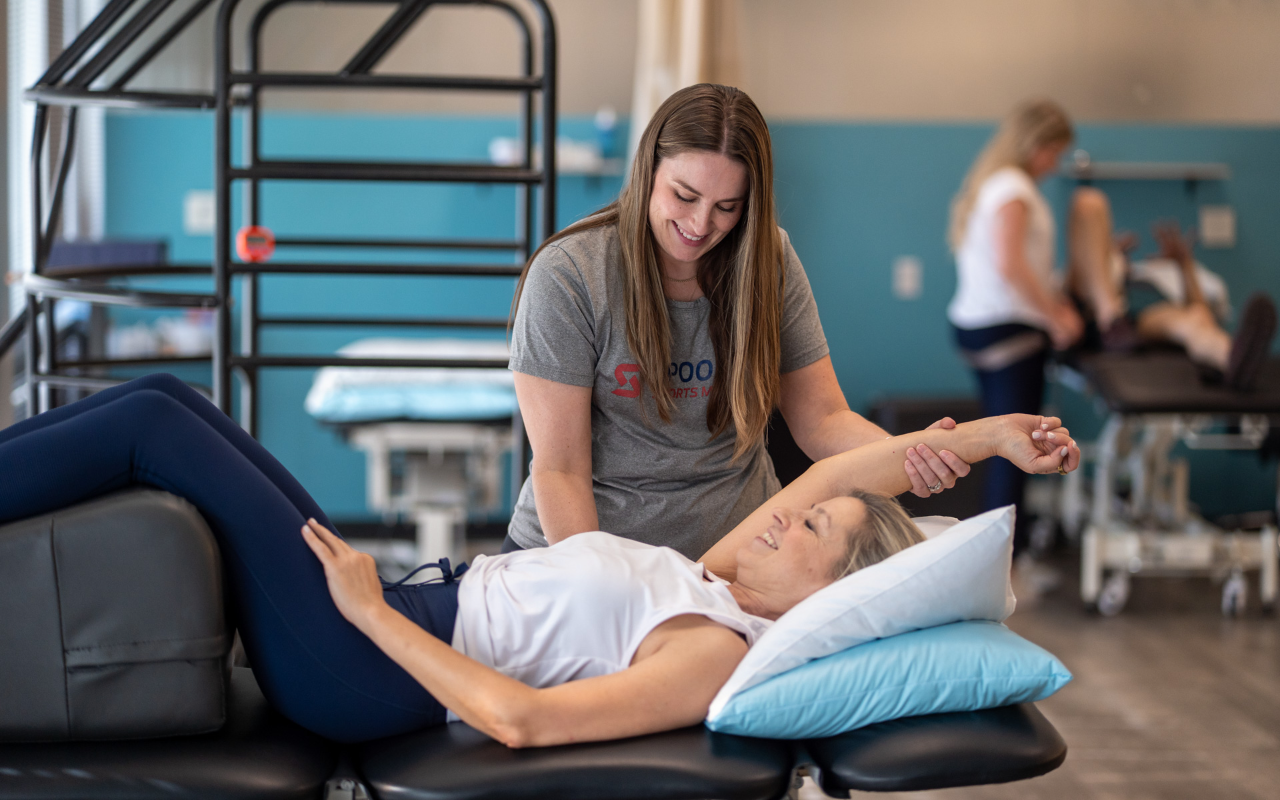
Physical therapy can help people improve movement, manage pain, recover from injuries and surgery, rebuild strength and function, and return to the activities that matter to them. With specialized training, physical therapists can address a wide range of needs, including sports injuries, pregnancy and postpartum recovery, cancer rehabilitation, neurological conditions, and balance and vestibular disorders.
Occupational therapy can help people regain the strength, mobility, coordination, and function needed for everyday activities, including specialized care for injuries and conditions affecting the hands and upper extremities.
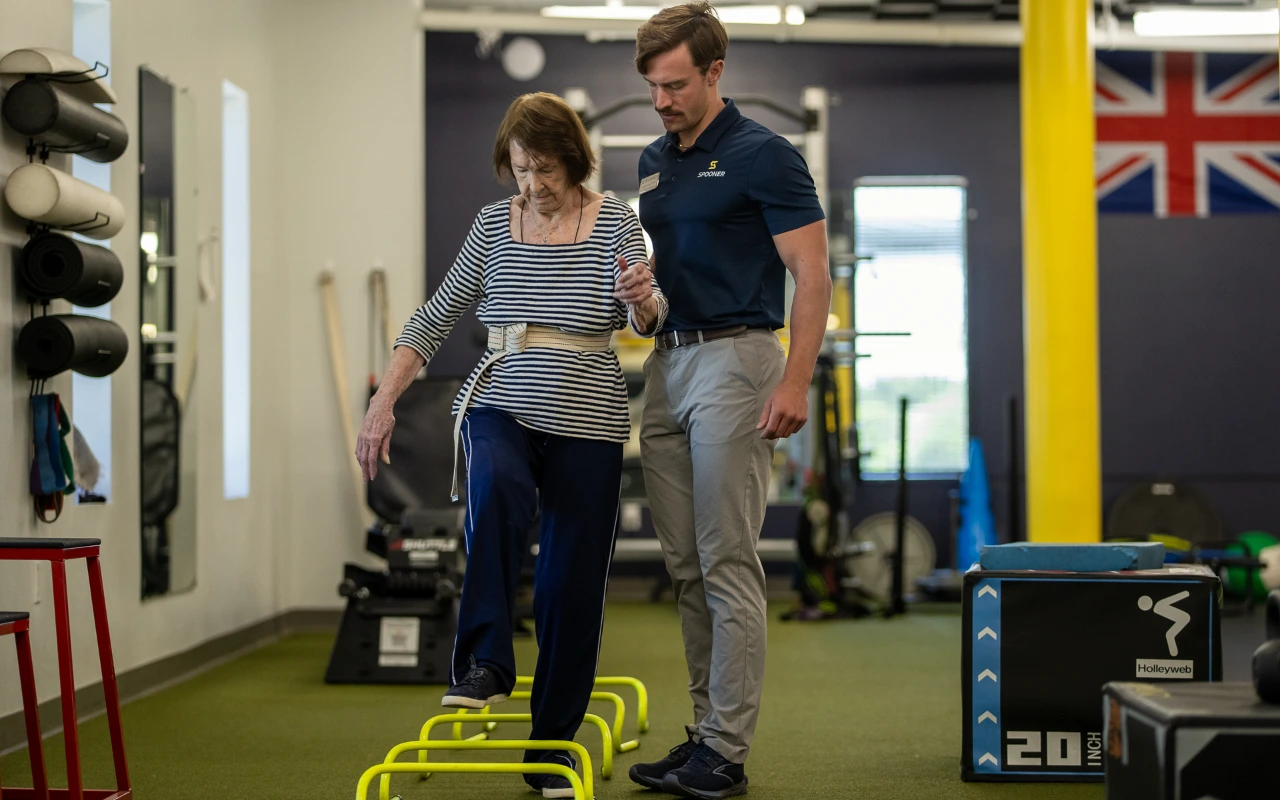
At Spooner, our therapists work across a wide range of specialties. Our sports medicine physical therapists help athletes recover from injury, return to sport, and meet the physical demands of training and competition. Our pelvic health therapists help people navigate pregnancy, postpartum recovery, pelvic pain, and other pelvic health concerns. Our breast cancer oncology rehabilitation therapists support people during and after cancer treatment. Our hand therapists help people regain the function they need for work, daily activities, and the hobbies they love. Physical therapists can even help people relearn how to walk and move after a serious accident.
The range of people who can benefit from physical and occupational therapy is wider than many realize.
But therapy is about more than exercises, movement, and physical progress. It’s also about the relationships built along the way. From the front office team to technicians and therapists, everyone in the clinic has an opportunity to be part of someone’s recovery.
Your therapist sees the difficult days and the small victories. And they get to be there for the moment you finally do something you weren’t sure you would be able to do again.
This World Physical Therapy Day, we’re sharing five real patient stories that demonstrate some of the different ways physical and occupational therapy can help people return to the activities, sports, hobbies, and parts of daily life that matter to them.
The following stories are based on real, publicly shared patient reviews. Patient names have been changed to protect their privacy.
1. Physical Therapy for Athletes Recovering From Injury
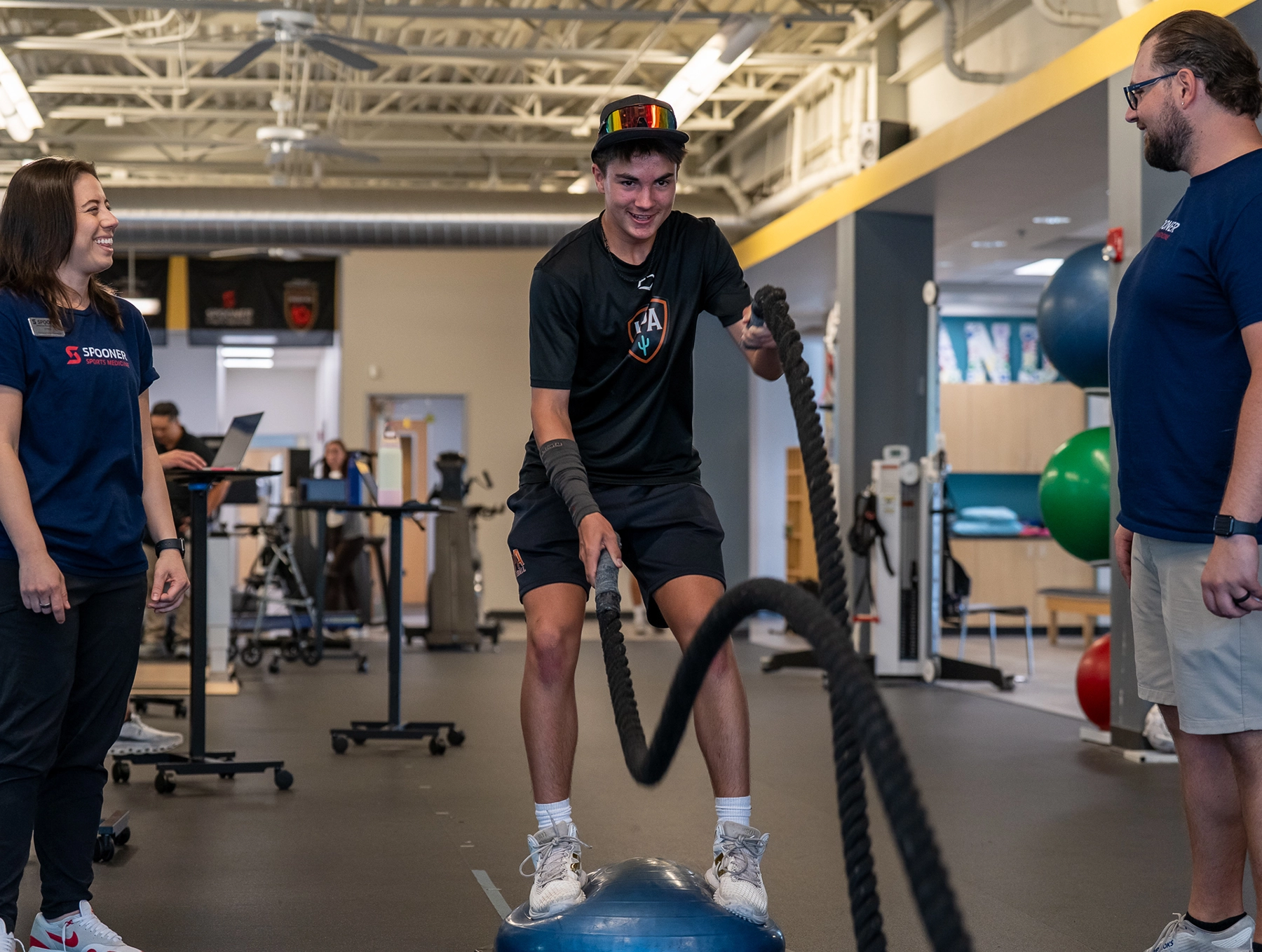
For athletes, an injury can feel like more than a physical setback. It can temporarily take away the sport, competition, and activities that are an important part of their lives.
Alex experienced that during a long ACL recovery. At Spooner Sunnyslope, physical therapist Malia helped guide her through the rehabilitation process and work toward returning to the sports she loves.
“Malia, the saint that you are! She has made me feel absolutely phenomenal with her programming she created to help me get back into all the sports I play. I have never felt more cared for and understood during this ACL repair journey, and while my discharge time is coming up, I am grateful forever,” Alex wrote.
Physical therapy after an ACL injury can address strength, mobility, movement quality, and the physical demands involved in safely progressing toward a return to sport.
2. Pelvic Floor Physical Therapy During Pregnancy and Postpartum
Pregnancy and becoming a new parent bring enormous changes, including changes to your body. Finding time to care for yourself can also become more complicated when you have a new baby at home.
Sophie came to Spooner Gilbert for pelvic health physical therapy and found a care team willing to help make therapy work within the realities of life with a newborn.
“I was going for pelvic floor therapy and have a new baby at home, and they were so compassionate and flexible when creating my care plan, and even let me bring my baby when I didn’t have anyone to watch her. Huge shoutout to Jessica, Marlena, and Nicolette, but they were the loveliest care team I could have asked for,” Sophie wrote.
Pelvic floor therapy can help address symptoms and physical changes associated with pregnancy, childbirth, and postpartum recovery, including pelvic pain, bladder or bowel concerns, core function, and returning to activity.
3. Physical Therapy During and After Cancer Treatment
Physical therapy can also be an important part of care during and after cancer treatment.
A cancer diagnosis can bring physical challenges alongside the emotional weight of navigating treatment and recovery. For Renee, breast health physical therapy became part of that journey.
At Spooner North Phoenix, breast health therapist Julie helped Renee better understand what she was experiencing and supported her as she worked toward finding her “new normal.”
“Julie K. is wonderful. The first day she took the time to educate me on my treatment and the issue that sent me to her. Julie is extremely knowledgeable and made me feel so comfortable. Having cancer impacts your physical as well as your mental health, and in my journey to find my new normal she has been a bright light,” Renee wrote.
Depending on an individual’s needs and treatment, physical therapy may help address changes in strength, mobility, function, fatigue, swelling, and other physical effects associated with cancer and its treatment.
4. Hand Therapy for Getting Back to Work and Hobbies
We use our hands for nearly everything we do, which makes pain, numbness, weakness, or limited movement especially disruptive.
For Diane, hand symptoms began interfering with one of her favorite hobbies: making beaded jewelry. After hours of beading began causing pain and numbness in her hands and arms, she turned to Ty, a hand therapist at Spooner Lake Pleasant.
“I was having numbness and pain in my hands and arms from making beaded jewelry for hours. I went to Ty, the hand therapist, and in a matter of few weeks, I am feeling so much better. The hand therapy exercise, massage, and cold wraps helped so much. Plus, I learned to regulate my beading time and adjust my working position,” Diane wrote.
Hand therapy can help people experiencing injuries or conditions affecting the hands, wrists, and upper extremities improve function and work toward returning to everyday tasks, work, sports, and hobbies.
5. Physical Therapy After a Serious Accident
Physical therapy can play an important role after a serious injury or accident, helping people rebuild movement and function as they recover.
Some recoveries happen in stages, and sometimes physical therapy becomes part of more than one chapter.
After Carol was hit by a car and suffered a broken leg, she spent two and a half months learning to walk again. About two years later, when she began experiencing pain in her lower back, she returned to physical therapy for help.
“After getting hit by a car in November 2018, and getting my leg broken, it took me 2-1/2 months to learn to walk again. About two years later, I had right side lumbar pain. The folks at Spooner Scottsdale did a fantastic job,” Carol wrote.
Physical therapy following a major injury may focus on restoring mobility, strength, balance, walking ability, and the movements someone needs for everyday life.
Who Can Benefit From Physical Therapy?
Physical therapy isn’t only for people recovering from surgery. People may benefit from seeing a physical therapist for pain or injury, difficulty moving, changes in strength or balance, sports injuries, pregnancy and postpartum concerns, recovery from certain medical treatments, or difficulty participating in activities that are important to them.
A physical therapist can evaluate how you move, identify factors that may be contributing to your symptoms or limitations, and develop an individualized plan based on your needs and goals.
Celebrating World Physical Therapy Day
Five patients. Five very different reasons for walking through the doors of a Spooner clinic.
Their stories demonstrate just how broad physical and occupational therapy can be—and how meaningful it can be to help someone return to an activity, sport, hobby, or part of daily life that matters to them.
At Spooner, our therapists work across specialties ranging from sports medicine and ACL rehabilitation to pelvic health, breast health, hand therapy, and much more. Every day, that work happens across our Arizona and Texas clinics.
On World Physical Therapy Day, we want to recognize the therapists and team members who dedicate themselves to this work—and the patients who trust us to be part of their journey.