SPOONER BLOG
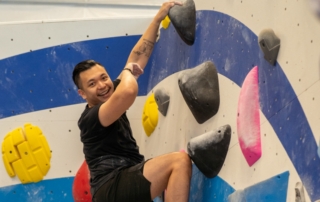
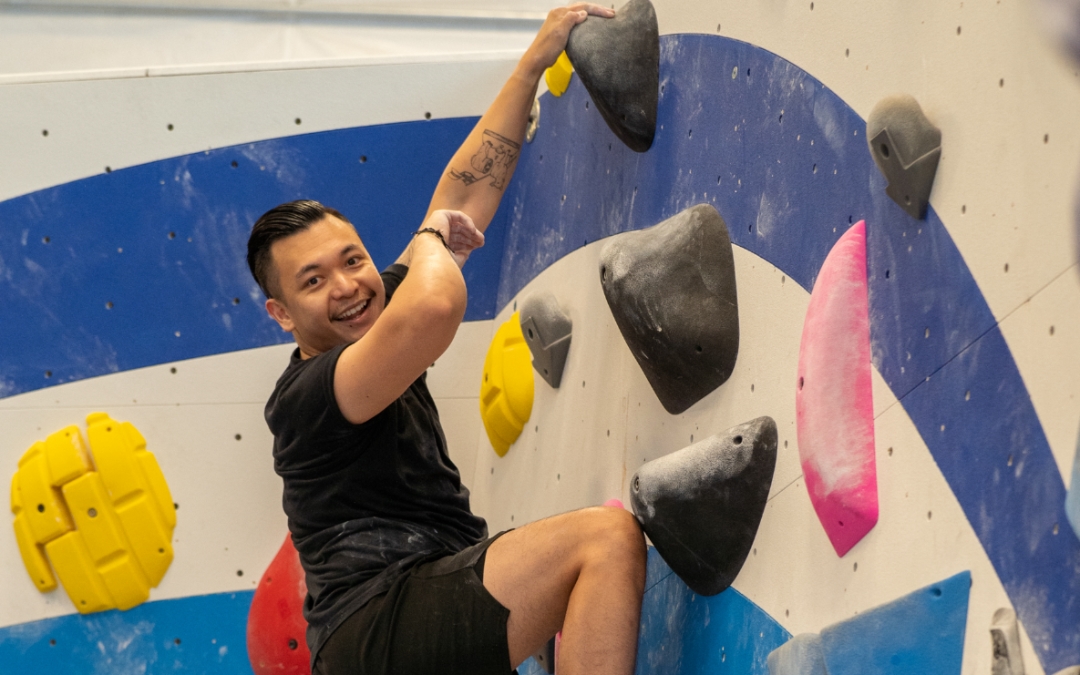
Staying on the Wall: Avoiding Risk of Injury for Climbers
By: Sam Gesicki, PT, DPT, TSAC-F, and Carly Szemerey, PT, DPT
Climbers have an almost unique dedication to their sport. It is not uncommon to stumble into the gym and hear one or two climbers discussing what injuries have been bugging them for the past day, week, month, or even year.
No climber wants to be taken off the wall and away[…]
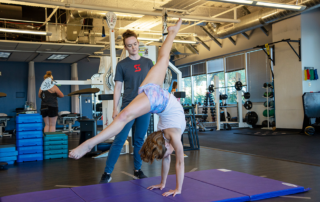
Physical Therapy for Gymnasts
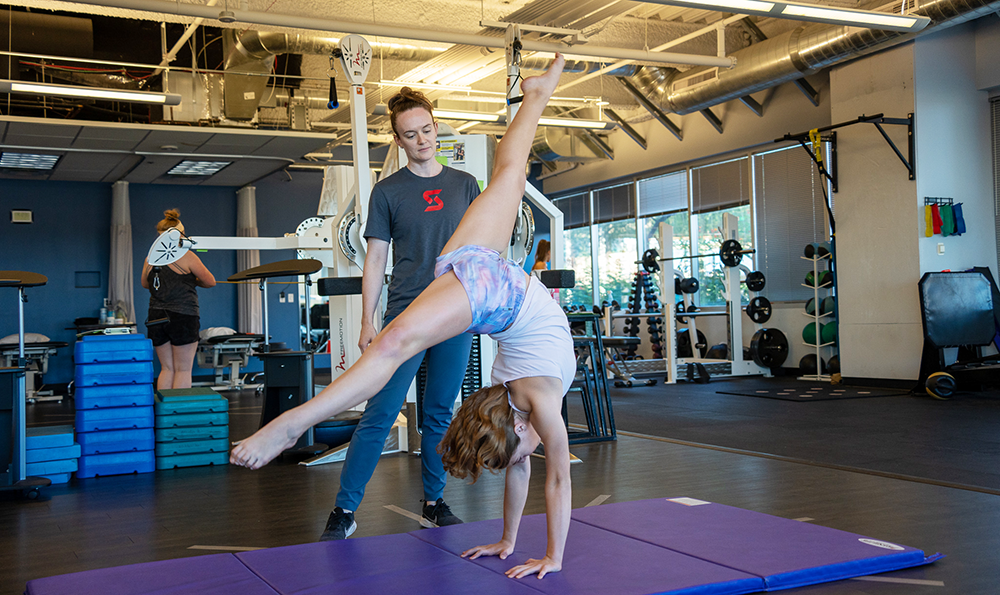
Gymnastics is a sport that requires agility, flexibility, and strength. It is multi-disciplinary including events like balance beam, uneven bars, vault, and floor. Each event requires different sets of skills and strengths for the athlete to perform their best. We talked to Alyssa Hixon, PT, DPT, a physical therapist, a gymnastics coach with the Arizona Sunrays, and[…]

3 Ways Pelvic Floor Rehabilitation Helps Ovarian Cancer Survivors Thrive
By: Carrie Yaeger, PT, DPT, PRPC
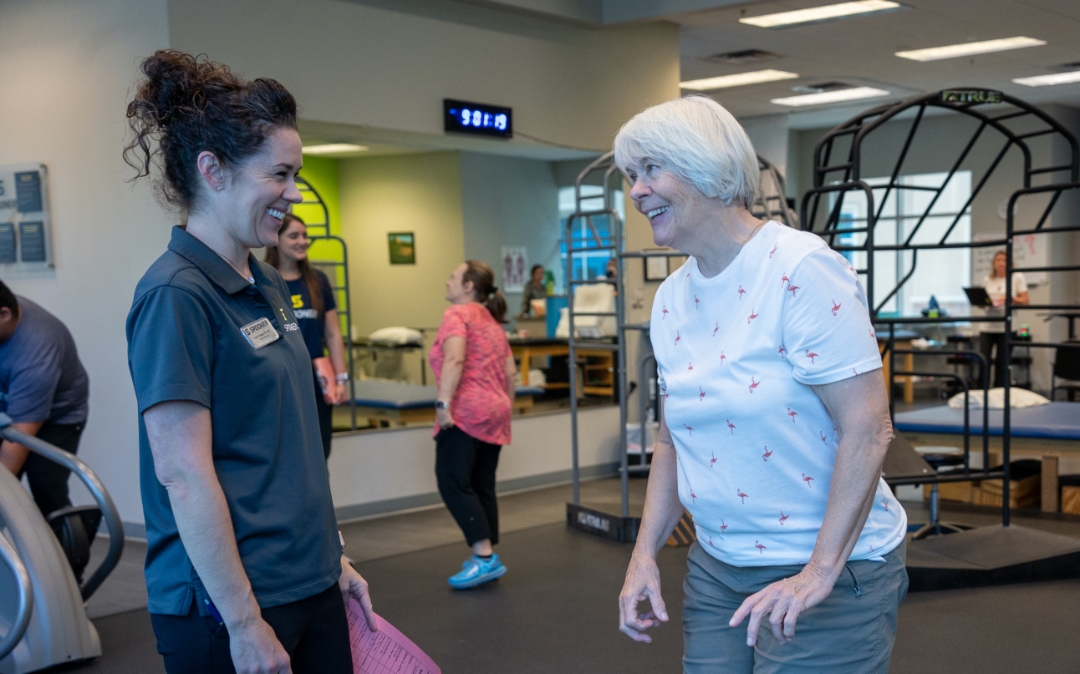
Life after ovarian cancer may come with mixed emotions. Relief from beating cancer. Fear of recurrence. Worry and uncertainty about the symptoms you are now experiencing. Navigating life after cancer isn’t always straightforward. Familiar spaces can feel unfamiliar, including your own body.
Pelvic floor therapy can help you thrive after surviving ovarian cancer.[…]
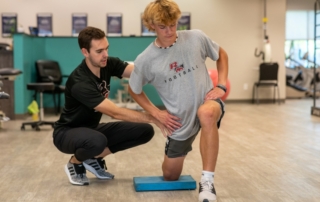
Treating the Growing Athlete
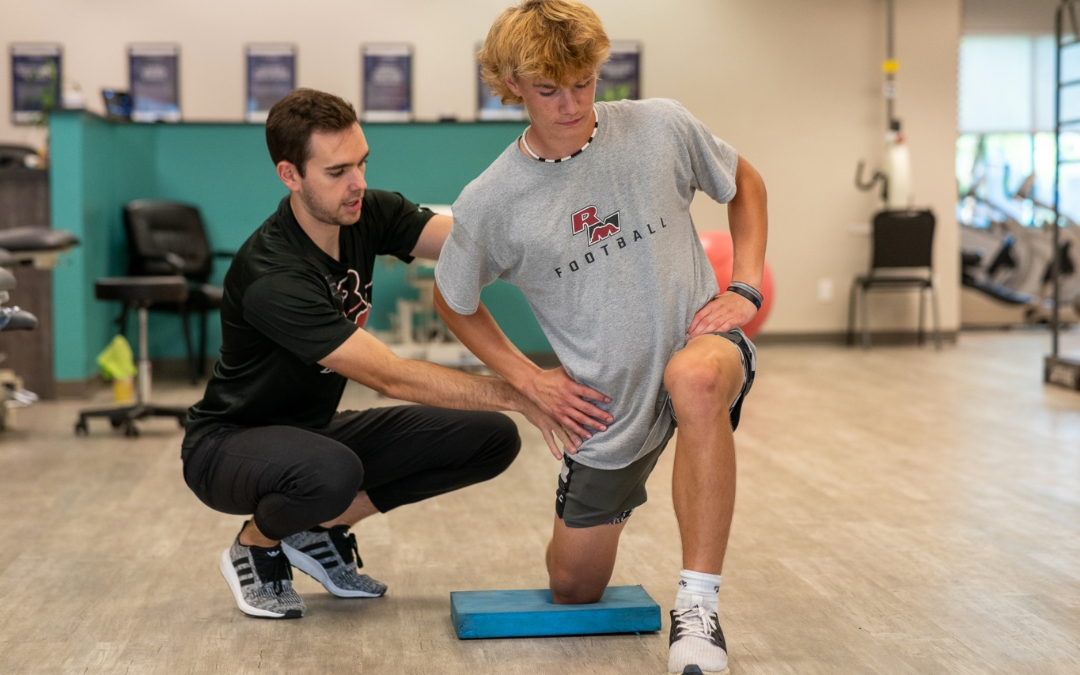
Youth athletes are getting stronger every year. However, while they are growing, they are still at risk of injury. So, what can be done to help them stay on the field?
On the Sports Medicine Team at Red Mountain High School, Spooner therapist Brian Bettner, PT, DPT, saw a consistent lineup of young athletes with similar[…]
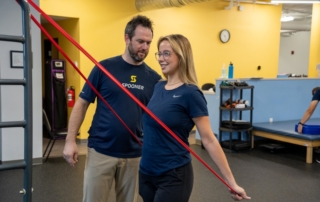
3 Exercises for Better Posture
By: Paul Arthur, PT, DPT, SCS, COMT, ATC
Think about how you sit at a desk, in the car, or on the couch scrolling on your phone. Your shoulders are possibly rotated forward, creating a hunched back, and your head in a forward position. When you sit at a[…]
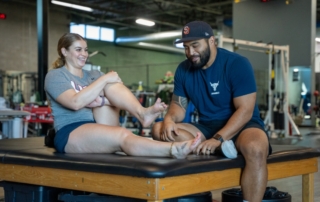
The Big Toe: Athletic Performance from the Ground Up
By: Nick Thomas, MS, ATC, CES, PES, Chip Gosewisch, CSCS, RSCC, FRCms, and Charleston DeLa Cruz, CSCS, USAW-1, FRSC, FRCms
If you are building a house, the foundation impacts everything. A solid foundation allows for a strong house that will be able to be built properly and stand the test of time. A weak foundation leads to problems and compensations[…]
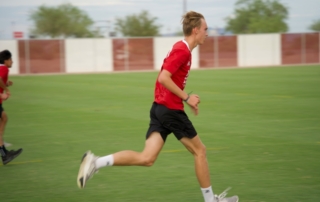
The Need for an Off-Season
Children are often asked what they would like to be when they grow up. Among many job titles, “professional athlete” is often listed. What is different about that title, though, is that children, parents, and coaches take steps to try to make that childhood dream a reality. Part of that reality is specializing[…]
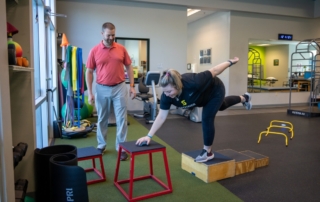
BlazePods for Concussion Treatment
Returning to normalcy after a concussion can take time. Being able to move your head without the sensations of spinning or being able to read or look at a screen without difficulty can seem far away. Everyday life has a great deal of stimuli that comes our way. Our brains are receiving all of these signals, interpreting them, and reacting[…]
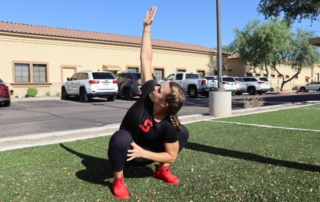
Dynamic Warm-Up for Mountain Bikers
By: Anthony Celio, PT, DPT, COMT, FAFS
Between the impact from hitting rocks, powering through corners, and even the stress of simply pedaling, your body and your bike go through a lot on the mountain. You need to be ready for the hard climbs and fast downhills that each trail offers. Your back, hips, and ankles all need[…]
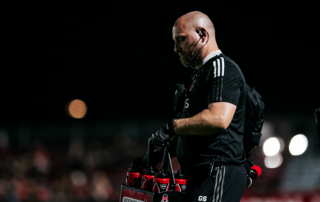
The First Game Back: An Athletic Trainer’s Perspective
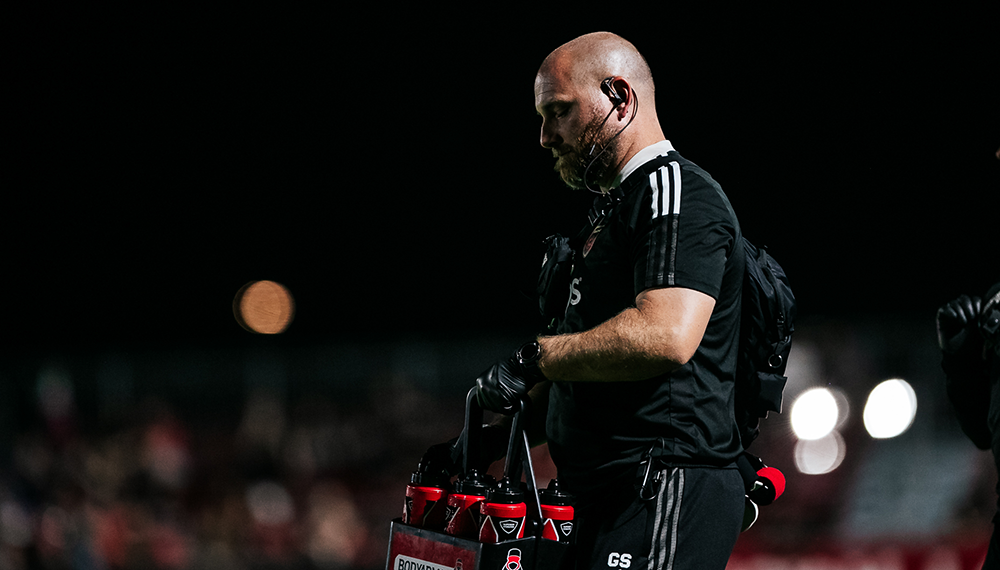
The role an athletic trainer plays within a professional sports organization can vary from team to team, but one thing never changes: providing the best care for the athletes they treat and work with daily. Spooner’s Athletic Trainer, Greg Spence, MA, ATC, provides us with a glimpse into his role in helping Phoenix Rising athletes return to play.
As the team[…]
Follow Spooner