SPOONER BLOG
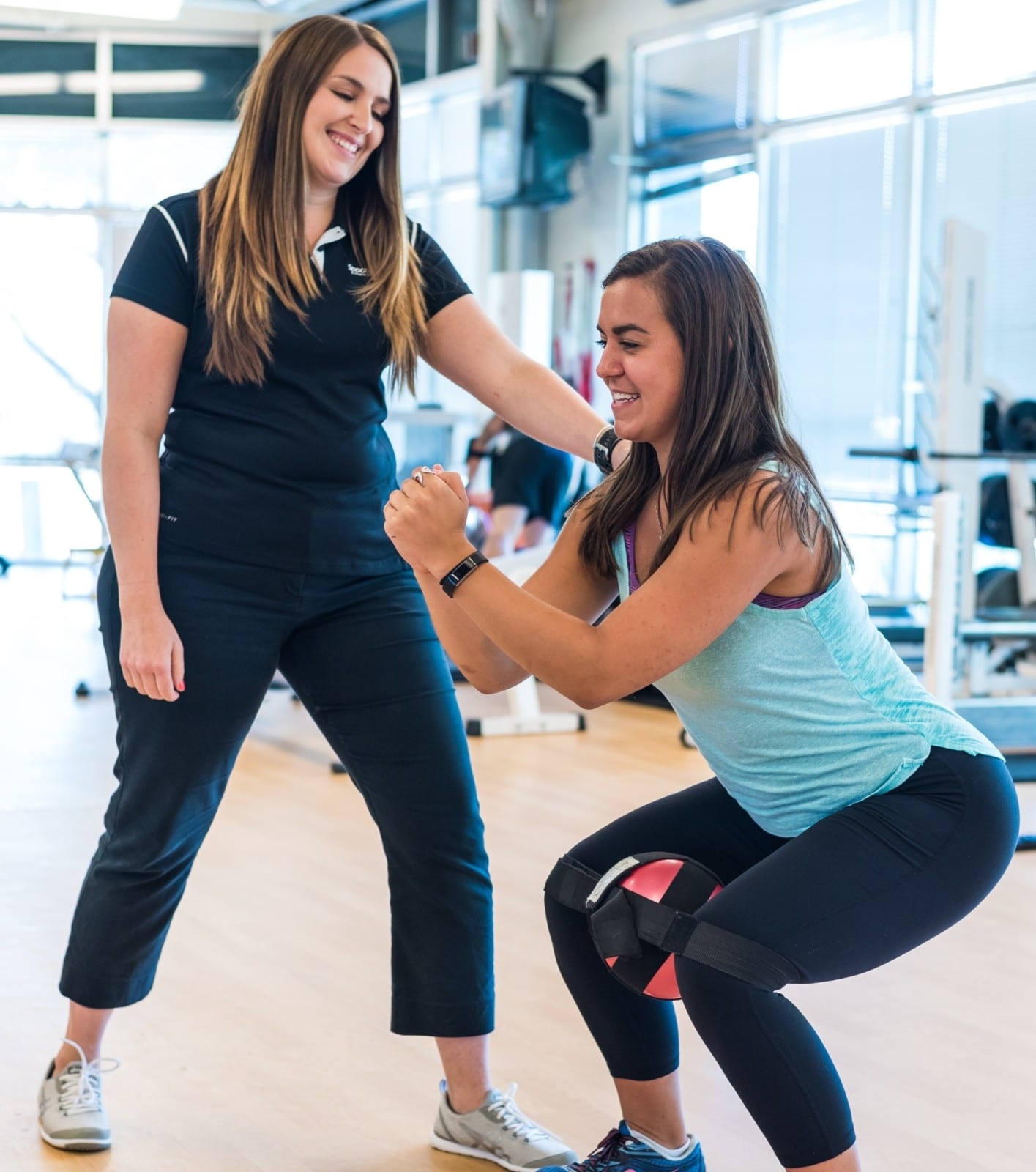
Ovarian Cancer: How Physical Therapy Can Help with Treatment
September is National Ovarian Cancer Awareness Month
Did you know that a woman is diagnosed with ovarian cancer every 23 minutes in the United States?1 Ovarian cancer is the number one cause of gynecologic cancer deaths. Ovarian cancer is a type of cancer that begins in the ovaries and can spread within the pelvis and abdomen if left undetected. There are[…]

What Should My Warmup Look Like?
Whether you’re just getting into physical activity, or you’ve been active your entire life, warming up before you exercise can feel a bit tedious. You might have had a long day and just want to get right into your workout. You might be new to whole experience and aren’t quite sure what to do. Perhaps you’ve been[…]

World Alzheimer’s Month: How Physical Therapy Slows Neurological Decline
World Alzheimer’s Day takes place every year on September 21, as the primary day of awareness during September’s World Alzheimer’s Month which was established to raise awareness and challenge the stigma that surrounds dementia. Alzheimer’s disease can be debilitating and can oftentimes go undiagnosed as we continue to see many more people that are affected by the disease than those[…]

Prehab: Why You Should Seek Physical Therapy Before Surgery
It is common to be prescribed physical therapy to help you recover from surgery. But did you know it is beneficial to go to physical therapy before your procedure too? Let’s talk about pre-habilitation, or prehab.
Prehab is commonly prescribed prior to surgery by your physician. In fact, it is starting to become a popular treatment for patients[…]
The Best Equipment in Your Bag: You
Every year, golf companies come out with their latest and greatest in equipment. Drivers offering 10 extra yards, more forgiving irons, better golf balls promising increased ball flight, the list goes on. Although getting a brand new driver is exciting, golfers have to understand that venture will only take them to a certain point. The USGA has established limits on[…]
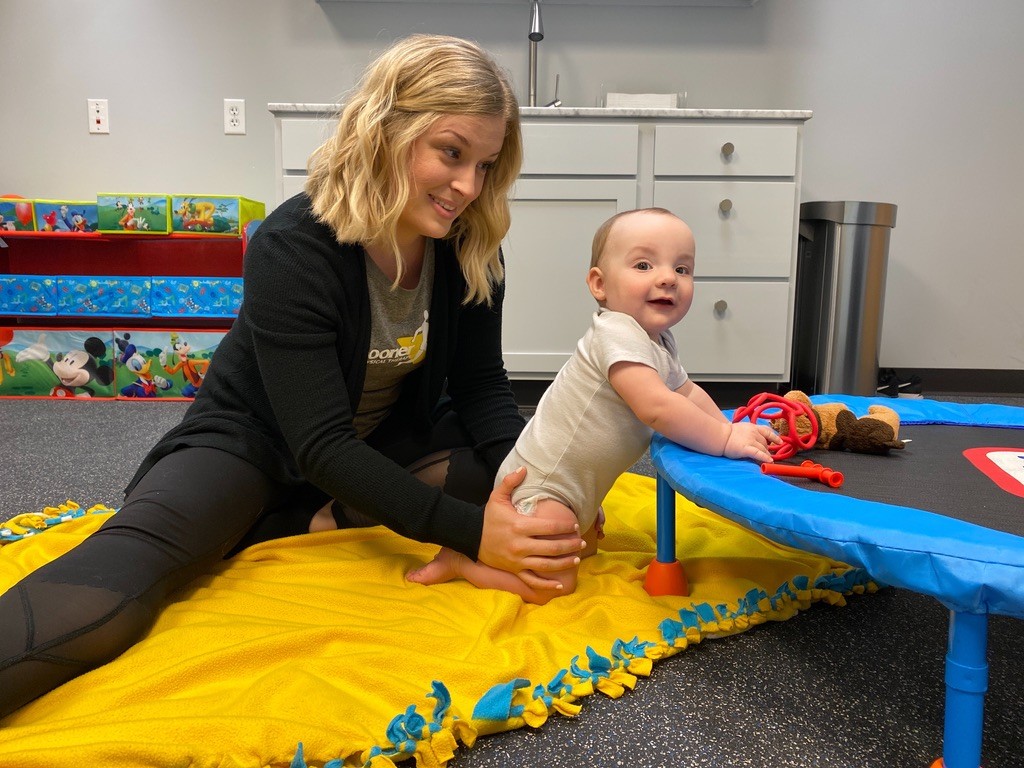
Clinic Spotlight: Spooner Scottsdale’s All New Pediatric Physical Therapy Suite
We are so excited to reveal the brand-new Pediatric Physical Therapy Suite in our Spooner Scottsdale clinic! This newly designated space, which is dedicated to pediatric physical therapy treatment, provides the clinic with a larger and more private treatment room to continue to grow the pediatric specialty. We met with Spooner therapist Stephanie Gilboy, PT, DPT and learned all about[…]

Tips to Surviving the Delivery Room: A New Dad’s Perspective
To all the current and future moms out there: I hope this goes without saying, but you are all incredible. You protect, nurture and grow this living being inside your body for months on end. You endure sickness, physical/emotional discomfort, inexplicable cases of hunger cravings, and much more. You attend every doctor appointment, participate in education courses, organize the nursey;[…]
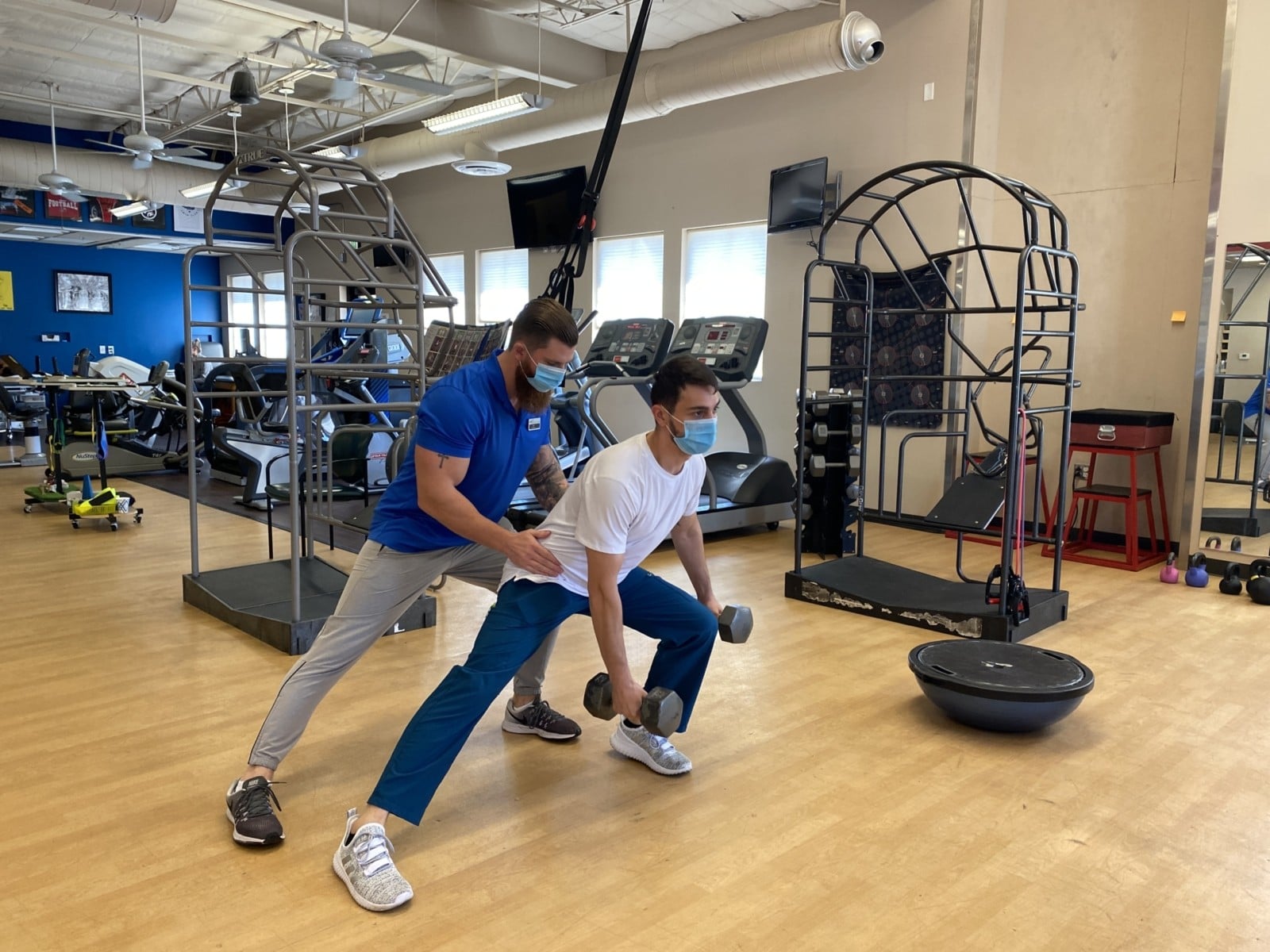
Brain Boost: How Exercise Benefits Your Mental Health
The glorious runner’s high. The energizing feeling of exercising your worries away and crossing off milestones with each stride. The rush of endorphins through your body... Experiencing the runner’s high is just one of the many positives that come from implementing movement into your daily routine. Exercise has the power to heal not only your[…]

Ditch the Dizziness: Physical Therapy for Vertigo
Contributors:
Garrett Wasson, PT, DPT and Ryne Foster, PT, DPT, OCS, FAFS
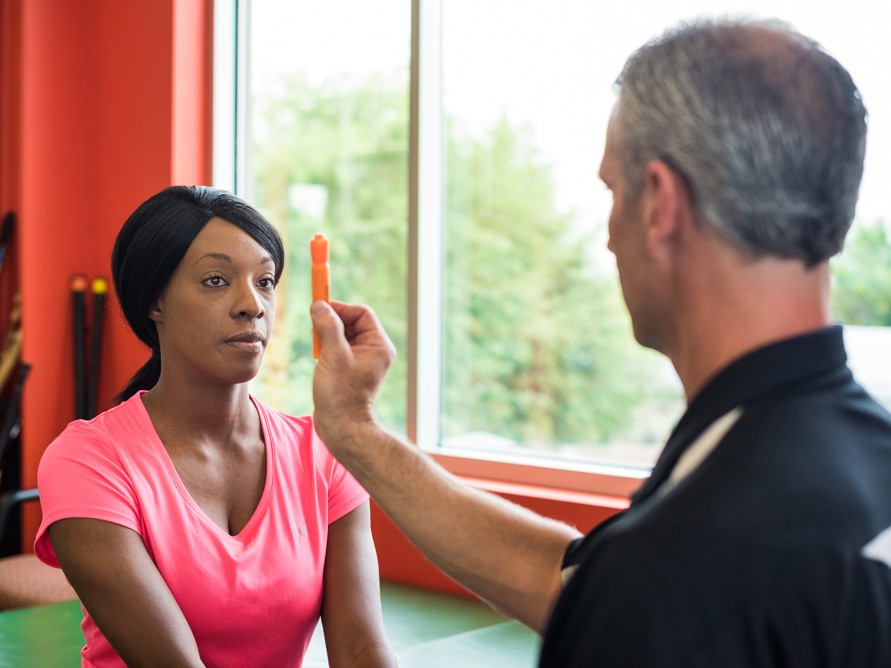
Dizziness and vertigo are very common complaints that bring a patient to visit their physician, just as common as back pain and headaches 1 2. Vertigo can greatly affect many people’s daily lives but some do not even know that physical therapy can help! Many times, they are told the[…]



ACL Injury Prevention and Rehab: Stay in the Game, Not on the Sideline
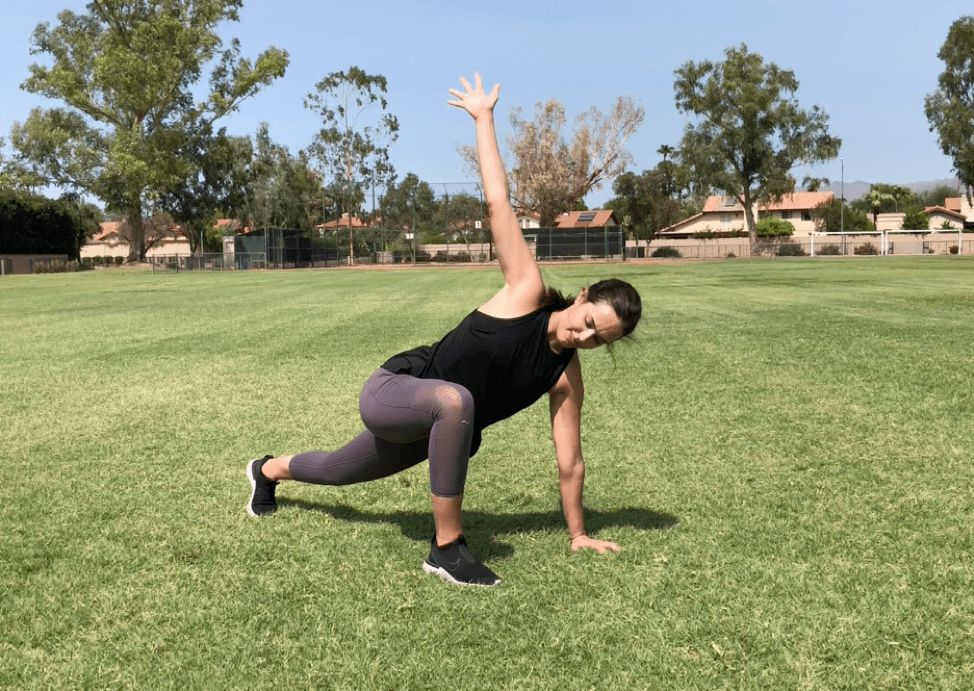
Our bodies move dynamically and simultaneously in three main directions during sports activities: front to back, side to side, and in a twisting or rotational motion. Injuries can happen when there is a deficit in the body’s ability to control all of those movements at the same time throughout the kinetic chain. Of these injuries, the most common
Follow Spooner